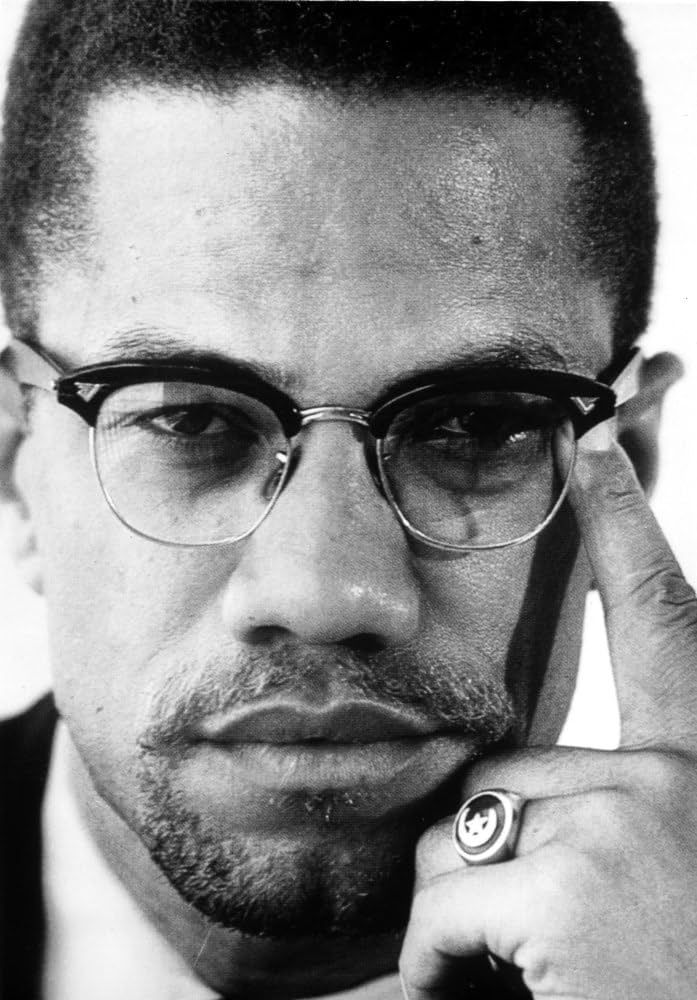
In the turbulent 1960s, a clarion voice emerged—Malcolm X. A man of fervor. A man of vision. A man whose life was abruptly silenced on February 21, 1965. Today, six decades later, I reflect upon his legacy, juxtaposing the era he sought to transform with the present landscape of African American progress and persistent challenges.
The 1960s: A Crucible of Change
The 1960s were a maelstrom of social and political upheaval. Segregation’s chains bound the African American community, while systemic disenfranchisement stifled our voices. In this milieu, Malcolm X rose, advocating for Black nationalism and self-reliance. He derided the mainstream civil rights movement’s focus on integration, famously criticizing it as a quest for “a desegregated lunch counter, a desegregated theater—and a desegregated public toilet. That’s no revolution.”
I was there. I was not yet ten years old when Malcolm was murdered. Yet, even as a child, I felt the tremors of change rumbling beneath my feet. I saw the faces of my elders—stoic, burdened, yet resolute. I heard the murmurs of grief, the whispered fears, and the unspoken question: What now? The world shifted that day, though I was too young to fully grasp how.
Malcolm X’s rhetoric was incendiary, yet it ignited a sense of pride and urgency among African Americans. He emphasized the need for political autonomy, urging Black communities to control their own destinies. His philosophy was encapsulated in the mantra: “The Ballot or the Bullet,” suggesting that African Americans must exercise their right to vote or risk more confrontational means to achieve justice.
Malcolm X vs. Martin Luther King Jr.: A Tale of Two Philosophies
Malcolm X and Martin Luther King Jr. stood as towering figures in the fight for Black equality, yet their methods diverged sharply. King, guided by the principles of nonviolent resistance, sought to dismantle segregation through peaceful protest and moral persuasion. He believed that love and unity would pave the way to justice. “Darkness cannot drive out darkness; only light can do that. Hate cannot drive out hate; only love can do that,” he proclaimed.
Malcolm X, on the other hand, saw the struggle in starker, more confrontational terms. He viewed integration as a mere appeasement tactic and championed self-defense and Black nationalism as a means of securing true freedom. “Be peaceful, be courteous, obey the law, respect everyone; but if someone puts his hand on you, send him to the cemetery,” he once warned.
Their differences were not just philosophical but strategic. King appealed to the conscience of white America, urging systemic reform. Malcolm X, in contrast, demanded that Black Americans take their destiny into their own hands—through economic self-sufficiency, political mobilization, and, if necessary, self-defense.
A Pilgrimage to Transformation: Malcolm X’s Evolution
Yet Malcolm X’s ideology was not static; it evolved dramatically, particularly in the final year of his life. In 1964, his pilgrimage to Mecca proved transformative. Witnessing Muslims of all races worshiping side by side reshaped his perspective on race and unity. In a letter from Mecca, he wrote that his experiences compelled him to “rearrange much of [his] thought-patterns previously held, and to toss aside some of [his] previous conclusions.”
This revelation led him to advocate for a broader, more inclusive movement. No longer seeing the struggle purely in racial terms, Malcolm began addressing global oppression, seeking alliances beyond the African American community. His rhetoric softened, though his passion remained unbridled. Love, he realized, could be a weapon as powerful as resistance.
This evolution in his outlook highlights the dynamic nature of his advocacy, underscoring the importance of personal growth in the pursuit of social justice. He was no longer simply the firebrand separatist; he had become an emissary of universal human rights.
2025: Progress and Paradox
Fast forward to 2025. The African American community has traversed a remarkable journey. Opportunities have burgeoned, especially in arenas like sports and entertainment. Athletes such as Jaylen Brown have not only achieved professional acclaim but have also leveraged their platforms to advocate for social justice and economic empowerment. Brown, for instance, has initiated programs aimed at fostering generational wealth in underserved communities.
However, this success is a double-edged sword. While individual triumphs are celebrated, they often mask the enduring systemic disparities. The racial wealth gap remains a gaping chasm. Recent studies reveal that the mean household wealth gap between Black and white Americans has surpassed $1 million, a stark reminder of persistent economic inequities.
Moreover, the concentration of wealth in high-profile sectors like the NBA or NFL does not reflect the broader economic reality for most African Americans. The narrative of a few achieving astronomical success can create a “decadent veil,” obscuring the systemic barriers that continue to impede widespread economic advancement.
R.M. Sydnor
 RMS INSIGHTS ✍🏾