Do not waste your breath pleading for ease, for ease breeds nothing but stagnation. Instead, cultivate the fortitude to embrace struggle, for in hardship, you unearth the raw material of your becoming.
Adversity is not an obstacle; it is the architect of your strength, the crucible where your character is forged. The life worth living is not one smoothed by comfort but one sculpted by resistance. Strength is not granted; it is earned in the fire of difficulty, where the self is tempered and revealed.
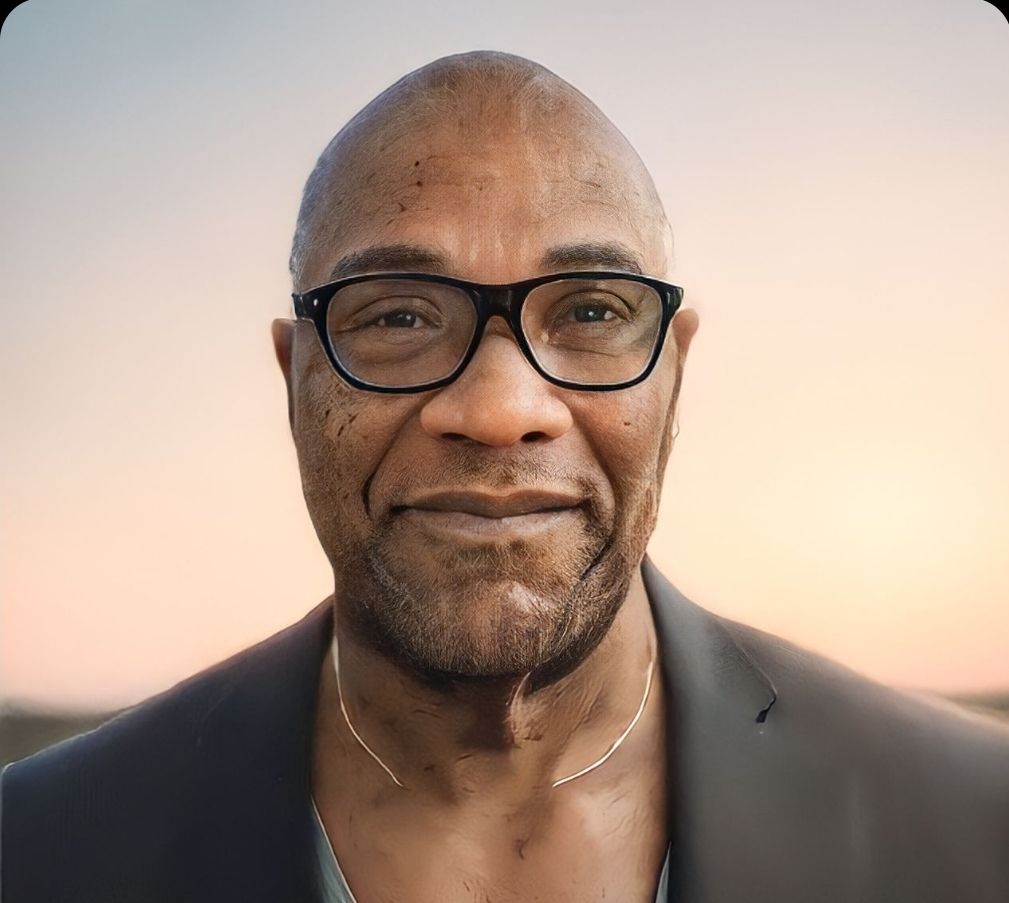
— RM Sydnor
(Inspired by Bruce Lee)
You who seek comfort,
Detailed Analysis & Personal Address to the Reader
Opening Command: The Refusal of Ease
“Do not waste your breath pleading for ease, for ease breeds nothing but stagnation.”
Here, the language is both direct and urgent. The phrase “Do not waste your breath” immediately dismisses the notion of praying for an easy life as futile—breath itself, the essence of existence, should not be squandered on such a request. The word pleading evokes desperation, reinforcing the idea that yearning for comfort is an act of self-imposed weakness.
Moreover, the assertion that ease breeds stagnation presents comfort as a deceptive trap. What you seek as relief often arrests your growth, dulls your potential, and lulls you into complacency. In avoiding struggle, you inadvertently forfeit evolution.
The Call to Fortitude: Strength as an Active Pursuit
“Instead, cultivate the fortitude to embrace struggle, for in hardship, you unearth the raw material of your becoming.”
This line shifts from negation to instruction. “Cultivate” is a deliberate word choice—it implies effort, care, and ongoing refinement. Strength is not passively received; it must be nurtured, grown, and fortified through continuous engagement with adversity.
Notice the phrase “embrace struggle” rather than endure it. To endure is to suffer through passively, but to embrace is to acknowledge hardship as essential, even welcome. The existential weight here is undeniable—you are not merely enduring life; you are being sculpted by it.
And what is the result? “You unearth the raw material of your becoming.” This line demands reflection. Who are you beneath convenience, beyond the soft contours of a life without challenge? That self, the one hidden under layers of avoidance and fear, is revealed in hardship. In this way, adversity is not an affliction but an excavation, a peeling away of the untested, inauthentic layers of who you think you are.
Adversity as the Architect: The Transformative Role of Struggle
“Adversity is not an obstacle; it is the architect of your strength, the crucible where your character is forged.”
Here, the metaphor shifts from struggle as discovery to struggle as creation. The reader is challenged to reconsider adversity—not as a hindrance but as a designer, a craftsman shaping them into something greater.
The word architect elevates adversity to something almost divine, a force that constructs rather than destroys. Instead of being a wall that blocks your path, it is a set of hands sculpting your potential. The crucible metaphor reinforces this idea—adversity is fire, searing away the inessential and leaving behind something purer, stronger. It is a place of transformation, where the raw, unshaped self is molded into something resilient and refined.
A Life Sculpted by Resistance: The Rejection of Passivity
“The life worth living is not one smoothed by comfort but one sculpted by resistance.”
This statement draws a stark contrast between two modes of existence: one passive, one active. A life smoothed by comfort is featureless, unremarkable, like a stone eroded by time, worn down to nothing. In contrast, a life sculpted by resistance bears definition, form, and meaning.
To be sculpted is to be shaped by something external—by struggle, by effort, by pain. The implicit question to the reader is: What will shape you? Will you allow resistance to carve you into something remarkable, or will you dissolve into mediocrity, untouched by difficulty?
Strength as an Earned Condition: The Final Challenge
“Strength is not granted; it is earned in the fire of difficulty, where the self is tempered and revealed.”
This final line dismantles any remaining illusions of entitlement. Strength is not bestowed upon you, nor does it arrive through passive hope. It is earned, and the means of earning it is suffering.
The phrase “fire of difficulty” is deliberate—fire is both destructive and purifying. It consumes the weak, but for those who endure, it tempers, making them unbreakable. You are not merely tested by hardship; you are revealed by it.
The ultimate question this quotation poses to you, the reader, is simple but profound: Are you willing to be forged in that fire?
Final Reflection: Why This Quote Matters
This expanded quotation forces the reader to confront an existential truth—life is suffering, and the only meaningful response is to face it with intentionality. It rejects passive endurance in favor of active transformation, urging you not to pray for ease but to seek strength in struggle.
Unlike Bruce Lee’s original version, which suggests strength as a divine gift in response to prayer, this version positions strength as something only you can cultivate. It strips away any notion of reliance on external forces and places the responsibility squarely on your shoulders. You must cultivate, embrace, earn.
This is not merely a motivational statement—it is a command, an existential reckoning. The question is no longer whether life will be difficult (it will be), but whether you will allow difficulty to define you or refine you.
The choice is yours.
 RMS INSIGHTS ✍🏾