Break it down like this — A–PHYLL–OUS. Think of A for “without,” PHYLL for “leaf,” and OUS for “full of” or “possessing.”
🔎 Picture this: when a tree stands bare in winter, it wears wisdom instead of leaves — APHYLLOUS is nature’s reminder that simplicity can still be complete.
Definition
APHYLLOUS describes a plant or organism without leaves, or one that has shed them seasonally or by adaptation. In a broader, figurative sense, APHYLLOUS means stripped of ornament — reduced to its essence, yet still alive and purposeful.
Etymology
From Greek a- (“without”) and phyllon (“leaf”), aphyllous entered scientific Latin in the 18th century to describe species that thrive despite absence of foliage.
Over time, philosophers borrowed its metaphorical shade to describe austerity in thought, art, and spirit — the state of standing bare before truth.
eStory
In an ancient garden, a sage watched a desert stem bloom without leaves. Travelers mocked its barrenness until a single white flower opened at dawn. The sage smiled: “The leafless one saves its strength for beauty.”
🔎 This story embodies the living spirit of APHYLLOUS: what seems lacking often conceals a deeper design — resilience in restraint.
Literal Use
The cactus, though aphyllous, thrives under the sun’s austerity.
🔎 The absence of leaves conserves water and channels energy inward.
The broomrape’s aphyllous stalks rise pale and firm from desert soil.
🔎 These parasitic plants live leafless lives, drawing life from others.
Several orchids become aphyllous during dormancy, awaiting renewal.
🔎 Leaflessness here signals rest, not decay.
Marine botanists noted an aphyllous seaweed species adapting to deeper waters.
🔎 Even without fronds, it mastered survival through translucence.
Under the microscope, the aphyllous stems revealed hidden photosynthetic tissue.
🔎 Life’s ingenuity often hides beneath simplicity.
Figurative Definition
To be APHYLLOUS is to stand unadorned before experience — stripped of show, sustained by essence.
Figurative Use
A poet grows aphyllous with age, discarding flourish for clarity.
🔎 Wisdom pares language to its living vein.
In his late paintings, Picasso became aphyllous — form without foliage.
🔎 Abstraction as truth: the naked line outlasts color.
After the scandal, her reputation looked aphyllous, but her integrity endured.
🔎 Outer image lost; inner fiber remained.
Stoicism is an aphyllous philosophy — no decoration, only endurance.
🔎 Strength revealed in self-sufficiency.
The monk’s room was aphyllous, a cell of quiet proportion.
🔎 Simplicity as sanctuary.
An aphyllous melody hummed from the cello — bare notes, pure emotion.
🔎 Music without adornment strikes the soul directly.
The minimalist architect built aphyllous spaces that whispered calm.
🔎 Design becomes silence made visible.
Her writing turned aphyllous after grief — concise, luminous, necessary.
🔎 Sorrow edited the heart’s vocabulary.
Even technology may learn to be aphyllous — efficient, human, unobtrusive.
🔎 Progress refined by restraint.
Love, at its deepest, grows aphyllous: no petals, no proof, only presence.
🔎 The pure act remains when expression falls away.
Contemporary Application
In literature, Kazuo Ishiguro’s prose feels aphyllous — elegant in restraint, stripped of sentimentality yet overflowing with feeling.
🔎 Ishiguro, Nobel laureate novelist, exemplifies emotional minimalism.
In global economics, sustainability demands an aphyllous mindset — cutting away excess consumption to preserve the living system.
🔎 Ecological minimalism echoes the biological origin of the term.
🐘 Mnephonics Hook
You walk through a winter orchard at dawn. The trees stand skeletal, frost shimmering along their limbs. No leaves, no noise — just breath and branch. The air tastes metallic, the ground whispers with ice. In that stillness, you sense life gathering its strength beneath the bark. That’s APHYLLOUS: the moment when absence hums with unseen preparation.
🎤 Aphyllous + Rap (Optional)
No frills, no fronds, no false disguise, APHYLLOUS stands where the quiet lies. When the world sheds green, truth shows through, Bare branch, bold mind — that’s the view.
🏛️ Wisdom’s Lens
“Perfection is achieved not when there is nothing more to add, but when there is nothing left to take away.” — Antoine de Saint-Exupéry
🔎 The APHYLLOUS state mirrors this truth: what remains after subtraction defines real beauty.
🌅 Closing Meditation
To live APHYLLOUS is to trust that life, even when stripped bare, still grows inward toward light.
🔎 In every season of reduction, something essential begins to breathe again.
Break it down like this — OP–SI–MATH. Think of OP (open), SI (see), and MATH (learn).
🔎 Picture this: you open your eyes to see and learn late in life — that’s OPSIMATH.
Definition
An opsimath is a person who begins to learn or study late in life.
An opsimath pursues wisdom not in youth’s haste but in maturity’s quiet confidence.
For an opsimath, learning arrives not as obligation but as revelation — a second dawn of curiosity.
Etymology
Derived from Greek opsé (late) and mathēs (learner), opsimath literally means “one who learns late.” The ancient Greeks used mathēs for any student of thought, while opsé implied lateness not of slowness, but of ripeness.
In time, OPSIMATH came to signify one whose hunger for knowledge awakens after life’s midpoint — a learner seasoned by experience rather than age.
eStory
In a quiet Athenian courtyard, an old potter watched his apprentice carve letters into clay tablets. The boy’s hands moved swiftly, but the potter’s eyes lingered with longing.
One evening, after the boy left, he traced those same letters by lamplight, his calloused fingers clumsy yet determined. The clay cooled, but his mind caught fire.
Years passed, and the once illiterate potter recited poems to travelers who came for his wares. He had become the very thing he envied — an OPSIMATH. He realized that some fires burn brighter precisely because they ignite late.
🔎 The story captures the root’s spirit: the lateness of learning becomes its brilliance, not its burden.
Literal Use
Harland Sanders became an OPSIMATH when he studied business methods in his sixties before founding Kentucky Fried Chicken.
🔎 Proof that passion can still bloom in the twilight years.
The novelist Penelope Fitzgerald began publishing fiction at fifty-eight, an OPSIMATH whose prose gained power through patience.
🔎 Her delayed debut became a triumph of refinement over rush.
A retired mechanic turned OPSIMATH joined online courses in astrophysics, saying he finally had “time to look up.”
🔎 Curiosity never retires.
At 70, actress Judi Dench learned to read Braille to study scripts — a luminous OPSIMATH in art and adaptability.
🔎 Age bent her sight, not her vision.
Former U.S. President Jimmy Carter learned woodworking after his presidency, embodying the patient craft of an OPSIMATH.
🔎 His hands stayed busy shaping the wisdom his office once required.
Figurative Definition
An OPSIMATH is anyone who arrives late to understanding but embraces it with renewed wonder.
Figurative Use
A grieving widow who returns to painting after decades away becomes an OPSIMATH of her own soul.
🔎 Healing often teaches where youth only dreamed.
A nation confronting its forgotten history acts as a collective OPSIMATH, studying what it once refused to see.
🔎 Societies, like souls, learn late what truth demands.
A man who begins therapy in his seventies becomes an OPSIMATH of emotion.
🔎 He discovers that vulnerability is also intelligence.
A company that reimagines its mission after years of profit-chasing turns OPSIMATH, schooling itself in conscience.
🔎 Ethics, learned late, can still lead.
A mother who picks up coding to help her children with homework turns OPSIMATH overnight.
🔎 Parenthood makes even algorithms tender.
A city rebuilding after disaster becomes an OPSIMATH of resilience.
🔎 Wisdom, like architecture, is often reconstructed.
A writer who abandons style to rediscover sincerity walks the OPSIMATH path.
🔎 The unlearning before new learning defines growth.
A friendship rekindled after misunderstanding mirrors OPSIMATHIC learning — understanding arriving after loss.
🔎 Time tutors the heart.
A man who learns silence after years of argument earns the quiet title of OPSIMATH.
🔎 Sometimes the final lesson is restraint.
A scientist who changes her theory when confronted with new data practices OPSIMATHY in its purest form.
🔎 Truth favors the humble learner.
Contemporary Application
In literature, Mary Oliver’s late essays reflect the mind of an OPSIMATH — one who learns awe through simplicity.
🔎 Oliver, a Pulitzer-winning poet, taught that wonder matures into wisdom only when slowed by attention.
In world affairs, Nelson Mandela’s transformation in prison revealed an OPSIMATH of reconciliation — wisdom tempered by time and solitude.
🔎 His captivity became a classroom in forgiveness, reshaping both man and nation.
🐘 Mnephonics Hook
The ink trembles in the lamp’s low glow. A man with silver hair bends over his first notebook, hand unsteady, breath shallow, heart alive. Outside, night leans in — listening. The scent of paper, the scrape of pen, the warmth of discovery all fuse into one truth: it is never too late to learn.
🔎 In that moment, OPSIMATH is not a word but a heartbeat rediscovered.
🎤 Opsimath + Rap
Never late to educate, I calculate, then elevate, Age don’t regulate — I OPSIMATH, I captivate, From chalkboard past to broadband fate, Learning’s gate don’t close — it recalibrates.
🏛️ Wisdom’s Lens
Michelangelo once said, “I am still learning.”
🔎 His words reveal the eternal OPSIMATH: genius remains humble before the infinite lessons of life.
🌅 Closing Meditation
The dawn of learning does not care when it rises — only that it does.
🔎 Every OPSIMATH proves that time cannot silence the hunger to understand.
Think of CAT, THORN, and NICK — three unlikely allies whispering from the dark. (Note: the CH and the THO distinctiveness.)
🔎 Picture this: when the cat claws at the thorn under the floorboards and leaves a nick in the stone, you’ve entered the CHTHONIC realm — the hidden, the buried, the sacred below.
Definition
Chthonic refers to that which dwells beneath the earth — gods, forces, or instincts belonging to the underworld or rooted in the primal soil.
It also describes powers unseen yet foundational: the elemental, the ancestral, the deep pulse beneath appearance.
Etymology
From Greek khthonios (χθόνιος), “of the earth,” from khthōn (χθών), meaning “ground” or “earth.”
In ancient Greece, chthonic deities were not demonic but vital — embodiments of fertility, decay, and renewal. They ruled what sprouted and what returned to dust. Over time, chthonic came to describe all that is mysterious, subterranean, or psychologically hidden — the shadow-side of divinity and the self alike.
eStory
In the oldest myths, a farmer tilled his field and offered the first grain to the gods above. One night, the ground answered back — a voice rising from the soil, older than Olympus. It told him that what grows upward owes its life to what lies below.
He knelt, trembling, and pressed his ear to the earth, hearing both heartbeat and hunger. From that moment, he prayed not only to the sky but to the soil itself.
🔎 The story captures the chthonic spirit: reverence for what lies beneath, the unseen root that nourishes every visible bloom.
Literal Use
The priestess whispered an invocation to the chthonic gods before lighting the torch.
🔎 Ancient rituals often began with invocations to deities of the underworld.
Archaeologists uncovered a temple devoted to chthonic spirits near the ruins of Eleusis.
🔎 The Eleusinian Mysteries honored Demeter and Persephone — both chthonic figures.
Volcanic gases escaped from a fissure once thought to be a chthonic breath from Hades.
🔎 Early science often attributed natural phenomena to underworld powers.
In sculpture, the serpent often symbolizes chthonic power — renewal through decay.
🔎 Serpents, being earth-dwellers, became emblems of underworld life.
Modern pagan rites still honor chthonic energies as sacred, not sinister.
🔎 Neo-paganism reclaims earthbound divinity as a spiritual balance.
Figurative Definition
Chthonic describes the deep, instinctual layers of mind and memory — the unseen psychic soil from which consciousness grows.
Figurative Use
Carl Jung spoke of the chthonic feminine as the primal, fertile unconscious.
🔎 Jung’s archetypes often drew upon Greek myth.
When Nina Simone performed, her voice carried chthonic power — beauty born of struggle.
🔎 Her music felt like a lament rising from ancestral depths.
The novelist mined his chthonic fears to shape characters who felt terrifyingly real.
🔎 Writers often turn inward to their psychological underworld.
Rituals of grief have chthonic resonance — grounding sorrow in ceremony.
🔎 Burial rites echo ancient gestures to the earth.
Every revolution begins as a chthonic stirring in the collective soul.
🔎 Change erupts from what society has long buried.
Jazz itself is chthonic: improvised, unpredictable, rooted in human pulse.
🔎 The genre channels emotion from beneath surface control.
A sculptor said his marble spoke in chthonic tones, the language of time and pressure.
🔎 Stone remembers the planet’s oldest movements.
Certain poems feel chthonic — born not written, as if unearthed.
🔎 Deep poetry sounds as if it rose through centuries of silence.
The cathedral’s crypts retain a chthonic sanctity — stillness beneath grandeur.
🔎 The sacred often begins below.
Even technology has its chthonic element: invisible code shaping visible worlds.
🔎 The digital underground mirrors the mythic one.
Contemporary Application
Toni Morrison’s Beloved is a chthonic masterpiece — a ghost story about history’s buried traumas.
🔎 Morrison reveals the haunted depths of American memory through myth and realism.
The debate over AI consciousness has taken a chthonic turn, exploring the dark intelligence beneath algorithms.
🔎 Philosophers now ponder whether technology can host its own underworld of awareness.
🐘 Mnephonics Hook
Picture a cave mouth at dusk — the air thick with moss and whispers. The scent of iron soil clings to your hands. Beneath your feet, a pulse throbs — steady, ancient, alive. You sense that the ground is not still but breathing, and in that breath you hear your ancestors hum. That breath is CHTHONIC — the earth remembering itself through you.
🎤 Word + Rap
From the depth to the dawn, I rise chthonic, Soul in the soil, spirit symphonic. Buried truth talks, roots whisper sonic —Power in the dark, baby, that’s chthonic.
🏛️ Wisdom’s Lens
Heraclitus: “The unseen design is mightier than the seen.”
🔎 The philosopher’s insight mirrors the chthonic truth — that what governs life is often invisible, yet inescapably real.
🌅 Closing Meditation
To honor the chthonic is to remember that every ascent begins with descent — and every light depends on its shadow.
🔎 True strength comes from knowing the soil beneath your soul.
Think of TRANS (through), PIC (picture), and UOUS (quality of).
🔎 Picture this: When life grows cloudy, remember that truth remains a picture you can see through — TRANSPICUOUS.
Definition
TRANSPICUOUS means easily seen through, clear to the eye, and equally easy to understand — pure thought or substance revealed without distortion.
Etymology
From the Latin trans meaning “through,” and specere meaning “to look.”
TRANSPICUOUS began as a description of physical transparency — light passing through glass or water. Over time, the word evolved to describe moral and intellectual transparency — the clarity of thought and sincerity that lets others see through words to truth itself.
eStory
A Roman craftsman polishes glass until it becomes invisible to his touch. In its perfection, he sees both his face and the sky. Centuries later, a scholar uses the same word to describe an idea so clear it no longer feels like an idea — only recognition. TRANSPICUOUS becomes the bridge between what the eyes see and what the mind knows.
🔎 The story reveals how TRANSPICUOUS transformed from the labor of the hand to the labor of the mind — from polishing glass to polishing thought.
Literal Use
The surface of Lake Tahoe is TRANSPICUOUS after the first frost clears the air.
🔎 Nature becomes a mirror of perfection when the world grows still.
The architect’s TRANSPICUOUS design lets sunlight flood every room.
🔎 A house that teaches openness by how it breathes.
Through the TRANSPICUOUS visor, the astronaut watched the blue curve of Earth.
🔎 Clarity connects wonder to humility.
The TRANSPICUOUS dome of the conservatory turned rain into music on glass.
🔎 Transparency becomes the stage for light’s performance.
Under TRANSPICUOUS ice, the fish drifted in a world of frozen silence.
🔎 Seeing through becomes a kind of meditation.
Figurative Definition
TRANSPICUOUS means intellectually clear and morally sincere — thought or character through which no deceit can hide.
Figurative Use
Her TRANSPICUOUS prose revealed wisdom without ornament.
🔎 Writing so clear it teaches by being.
His TRANSPICUOUS honesty disarmed even the cynical.
🔎 Truth dissolves suspicion faster than argument.
The TRANSPICUOUS calm of the monk silenced the restless crowd.
🔎 Stillness can be its own authority.
A TRANSPICUOUS conscience needs no rehearsal.
🔎 Authenticity speaks without preparation.
The TRANSPICUOUS voice of the teacher cut through confusion like light through fog.
🔎 Understanding is illumination, not repetition.
Their TRANSPICUOUS friendship held no shadow of envy.
🔎 Trust is the purest transparency.
TRANSPICUOUS leadership means acting where others merely announce.
🔎 Deeds clarify what words obscure.
The TRANSPICUOUS logic of the proposal made compromise unnecessary.
🔎 Reason stands tallest when it is simplest.
In TRANSPICUOUS art, color becomes the language of thought.
🔎 Clarity can be painted as well as spoken.
Her TRANSPICUOUS heart turned forgiveness into second nature.
🔎 Moral clarity restores peace without struggle.
Contemporary Application
When Amanda Gorman stood before the nation and recited The Hill We Climb at the 2021 Presidential Inauguration, her voice was TRANSPICUOUS — light woven through language, truth unmasked by rhythm.
🔎 Gorman, the young American poet and activist, embodied clarity as courage — a poet whose transparency of purpose became her power.
When Greta Thunberg addressed the United Nations and asked, “How dare you?”, her gaze was TRANSPICUOUS — not fiery, but piercing with unvarnished truth.
🔎 Thunberg, the Swedish climate activist, became a global symbol of moral directness — a voice unclouded by politics or fear.
🐘 Mnephonics Hook
An African American elder, her face calm with earned wisdom, watches the light she has already understood. Beside her, a woman of Indian descent reaches toward it, her palm open to revelation.
Below them, a Native American girl gazes upward, her eyes reflecting the same glow they receive. That moment — when light travels through age, race, and innocence without distortion — that is TRANSPICUOUS.
🔎 The art above fuses definition with embodiment. The women are vivid, alive, multicultural, and symbolic. The light becomes comprehension, transparency, and grace — the living definition of the word.
🎤 Word + Rap
See right through, TRANSPICUOUS vibe, Truth in my tone, no need to hide. Clear like glass, can’t falsify, Light don’t lie, it just amplifies.
1. To spread apart; to branch off in different directions.
2. To differ in opinion or course.
Etymology
From Latin divaricatus, past participle of divaricare meaning “to straddle, spread apart,” from di- (apart) + varicare (to straddle, spread legs).
eStory
At the edge of a quiet village, a boy named Elias stood at a fork where two roads split. One path wound upward toward the mountain’s monastery; the other descended into the bustling market town. His father urged him toward study, his mother toward trade. Elias planted his feet across the two beginnings, torn in spirit, until a stranger passing by chuckled and said, “Stand there too long, boy, and you’ll split yourself in two.” Elias laughed, stepped forward, and finally chose.
🔎 The eStory dramatizes the strain of trying to take both directions at once, making divaricate unforgettable through lived image.
Literal Use
The branches divaricate as they reach for the sunlight.
🔎 Limbs splitting outward into different directions.
The road divaricates into two winding paths.
🔎 A single course diverges into multiple ways.
At the base of the mountain, the river divaricates into several channels.
🔎 Water separates into distinct flows.
The cactus divaricates, its arms stretching wide.
🔎 Growth marked by outward branching.
The veins divaricate across the leaf’s surface.
🔎 Natural divergence in design.
Figurative Definition
To separate, diverge, or differ in thought, opinion, or method.
Figurative Use
Their arguments divaricated until no common ground remained.
🔎 Opinions branching into irreconcilable positions.
The two artists divaricated in style—one turned abstract, the other realistic.
🔎 Creative paths splitting into different genres.
Political parties often divaricate over economic policies.
🔎 Ideological differences fracture unity.
The students’ interpretations of the poem divaricated widely.
🔎 Multiple divergent readings emerging from one text.
Friendships sometimes divaricate when ambitions collide.
🔎 Relationships fracture as goals separate.
Philosophical schools divaricate over the nature of truth.
🔎 Competing systems forming from a single question.
Their lives divaricated after college, one to the city, one to the farm.
🔎 Divergent life choices from a common origin.
Scientific theories divaricate as new data challenges old frameworks.
🔎 Intellectual progress branching into new models.
The team’s strategies divaricated under pressure.
🔎 One plan splintered into conflicting methods.
History shows how empires divaricate when leaders differ.
🔎 Divergent visions leading to disunity.
🐘 Mnephonics Hook
Picture a man straddling two roads as they fork apart—legs stretching painfully wide until he must choose one. The stretch and the split—that’s divaricate.
🎤 Divaricate + Rap
Divaricate, split the lane, Paths diverge, never the same. Choices branch, it’s twistin’ fate, Life moves on—we divaricate.
🏛️ Wisdom’s Lens
Aristotle: It is the mark of an educated mind to be able to entertain a thought without accepting it.
🔎 Divergence of thought—like divarication—need not divide us, but can expand the field of understanding.
🌅 Closing Meditation
Though paths divaricate, wisdom walks both roads.
🔎 Even in separation, clarity comes from how we choose to step forward.
1. Expressed in short, pithy, and often mysterious aphorisms.
2. In literature: terse, epigrammatic, or cryptic in style.
3. Obscure in meaning; ambiguous or riddling.
Etymology
From Greek gnōmē (“opinion, maxim, intelligence, judgment”) → Late Latin gnomicus → Middle English gnomic. The word carries the weight of wisdom literature—phrases condensed to kernels of insight.
Literal Use
1. The philosopher delivered a gnomic remark that puzzled his students.
🔎 “Gnomic” means terse and enigmatic here, describing the remark’s style.
2. Her poetry contained gnomic lines, each one sounding like an ancient maxim.
🔎 Shows gnomic as pithy, maxim-like writing.
3. The professor opened with a gnomic statement: “Truth lies hidden in error.”
🔎 A short, aphoristic sentence functions as gnomic.
4. The inscription on the tablet carried a gnomic warning.
🔎 A cryptic or maxim-like phrase inscribed literally.
Figurative Definition
A style, action, or expression that feels dense, elliptical, and packed with more meaning than immediately seen—often leaving the listener in thought or confusion.
Figurative Use
1. His gnomic smile suggested secrets no one could name.
🔎 Expression described as mysterious, hinting at deeper meaning.
2. The coach’s gnomic pep talk left the team scratching their heads.
🔎 Figurative: words that sound wise but feel unclear.
3. She texted back a gnomic emoji, more puzzle than reply.
🔎 Mystery communicated through symbols.
4. The artist spoke in gnomic riddles about the meaning of her work.
🔎 Figurative use—cryptic, maxim-like speech.
5. The political leader’s gnomic phrases stirred crowds without clarity.
🔎 Figurative: brevity mixed with ambiguity in rhetoric.
6. His gnomic silence carried as much weight as a sermon.
🔎 Suggests brevity and obscurity interpreted as significance.
🐘 Mnephonics Hook
Picture a garden gnome standing on a podium, stroking his beard, and spouting cryptic wisdom: “The shortest path twists the longest way!” Each phrase sounds like prophecy but leaves you puzzled. Gnomic—short, puzzling, packed with wisdom like a gnome speaking riddles.
🎤 Gnomic + Rap
I drop it real fast, keep it short, gnomic, Lines so tight, yeah they sound iconic. Cryptic vibe, let your mind decode it, Wisdom in the rhyme, can’t nobody erode it.
Chop the phrase small, pack it in tight, Gnomic bars glowing like stars at night. Say less, mean more, let the crowd take flight, One word, one line, but the truth burns bright!
🏛️ Wisdom’s Lens
Heraclitus: “The way up and the way down are one and the same.”
🔎 A perfect gnomic saying—compressed, cryptic, and endlessly interpretable.
🌅 Closing Meditation
Mystery sharpened into brevity shapes resilience of thought.
🔎 The gnomic word teaches us that fewer words, rightly chosen, can open entire worlds.
IPA Pronunciation — /ˈkɑːfəˌklætʃ/ American Pronunciation Key — KAH-fuh-klatch
Definition
An informal social gathering for coffee and conversation.
Etymology
From German Kaffee (coffee) + Klatsch (gossip, chatter), literally meaning “coffee gossip.”
Literal Use
1. Every Saturday, the neighbors met for their weekly kaffeeklatsch.
🔎 Used literally to describe a recurring coffee gathering.
2. The university professors held a kaffeeklatsch in the faculty lounge.
🔎 Refers to an academic coffee break filled with discussion.
3. My grandmother looked forward to her afternoon kaffeeklatsch with her church friends.
🔎 Captures the literal habit of social coffee.
4. The café organized a morning kaffeeklatsch to welcome newcomers.
🔎 Literal event centering around coffee and community.
Figurative Definition
An exchange of ideas, news, or gossip in any casual, communal setting, regardless of coffee.
Figurative Use
1. The online forum turned into a digital kaffeeklatsch, buzzing with opinions.
🔎 Figurative: a virtual gathering rather than physical.
2. Political analysts held their kaffeeklatsch on primetime television.
🔎 Figurative: informal banter masquerading as debate.
3. The locker room after the game was a noisy kaffeeklatsch.
🔎 Figurative: camaraderie and chatter without coffee.
4. Writers huddled together, their kaffeeklatsch sparking fresh ideas for novels.
🔎 Figurative: exchange of creativity as gossip.
5. Even the boardroom meeting devolved into a kaffeeklatsch about vacation plans.
🔎 Figurative: serious context slipping into idle chatter.
6. My family group chat is nothing more than a daily kaffeeklatsch.
🔎 Figurative: modern equivalent of coffee gossip via text.
🐘 Mnephonics Hook
Picture a cozy living room with a bubbling coffee pot that won’t stop talking—literally gossiping with every gurgle. Around the table, friends lean closer, trading stories, laughter, and whispers. The pot joins in too, spilling beans in more ways than one. When you think Kaffeeklatsch, think of coffee + chatter, where every sip brews another tale.
🎤 Kaffeeklatsch Rap
Sip, sip, chatter, clink of the cup, Friends round the table, the laughter heats up. Coffee on the lips, stories on the catch, Welcome to the circle of the Kaffeeklatsch.
🔎 The rhyme, the beat, the repetition—all sharpen memory. Words married to rhythm don’t slip away; they march around the mind like a chorus.
🏛️ Wisdom’s Lens
Johann Wolfgang von Goethe: “A man’s manners are a mirror in which he shows his portrait.”
🔎 A kaffeeklatsch—more than coffee, it is a ritual of manners, warmth, and shared reflection, reminding us that how we gather mirrors who we are.
🌅 Closing Meditation
Conversations over coffee are small embers that can ignite warmth in the soul.
🔎 A reminder that even casual exchanges carry the power to brighten and sustain us.
🔎 LIMNED is a compact, old-fashioned word, yet it pulses with artistry. It means to depict, to outline, to paint in words or colors — to give shape to the unseen. Its brevity makes it sharp, almost like the stroke of a quill.
🐘 MEMORY HOOK: Picture a monk in a candlelit scriptorium, painstakingly painting gold letters onto a manuscript page — that glowing outline is what it means to have something LIMNED.
🔎 Stress Marker: No additional stress marks because LIMNED is monosyllabic in its pronounced form.
🐘 MEMORY HOOK: Imagine the word LIMNED as four quick strokes of a quill: /l/ the line begins, /ɪ/ the ink drop, /m/ the steady curve, and /d/ the firm final point — together sketching a complete picture.
ENGLISH BREAKDOWN
LIMNED = LIM + ND
LIM sounds like “limb” without the final b.
-ND closes sharply, as in “land.”
Together: LIMNED rhymes with “skimmed” or “brimmed.”
🔎 The silent n in spelling reminds us of its medieval roots.
🐘 MEMORY HOOK: Imagine a limb drawing a line, then ending it clean — LIM + NED.
🗣️ SOUND
LIMNED arrives in the ear like a miniature sonnet — brief, precise, but resonant. The first sound, /l/, lifts the tongue lightly against the alveolar ridge, a soft prelude, almost like opening a door with care. The vowel /ɪ/ flickers quickly, thin and luminous, as if a glint of light brushed across glass. Then comes /m/, humming in the mouth, nasal and steady, filling the air with a gentle resonance. Finally, the closing /d/ lands with a firm, deliberate tap — the period at the end of a brushstroke.
🔎 The cadence is swift: LIMNED is uttered in one stroke, a syllabic brush painting itself across silence. Unlike sprawling words, LIMNED condenses power into a single note, both clipped and complete.
Metaphorically, LIMNED sounds like a chamber orchestra tuning — a violin string stretched, a clarinet’s hum, and a timpani’s single tap — all compressed into one syllable of artful finality.
🔊 SONIC HOOK: “LIMNED is a hum and a strike — a breath painted in sound.”
💡 SPELLING INSIGHT
LIMNED is a word whose spelling feels like an illuminated manuscript in itself: compact, rare, and carrying echoes of older English orthography. The unusual part is the silent “n” cluster — carried over from its Middle English form, where limnen meant “to illuminate or paint.” The spelling holds the ghost of its past, even if modern pronunciation drops the extra breath.
🔎 Breakdown:
LIM- evokes “light” and “limit,” suggesting edges and outlines.
-NED is a past participle suffix, giving the sense of something already formed, already depicted.
Thus, LIMNED literally feels like a sketch frozen in time — something that has been marked and left complete.
Mnemonic visualization: Picture LIM as a limb holding a brush, and -NED as a net catching the final outline. Together: LIMNED = a limb with a net, sketching form onto air.
🐘 MEMORY HOOK: Think of LIMNED as a word “limned in silence” — the N is there in writing but vanishes in sound, just as a painted outline may guide the eye without being noticed.
ETYMOLOGY
1. Word: LIMNED
2. Language Path: Greek (illumīnāre) → Latin (illuminare, “to light up, to make bright”) → Old French (enluminer) → Middle English (limnen) → Modern English (LIMN, then LIMNED).
3. Root Components:
lumen (Latin) = “light”
illuminare = “to illuminate, to brighten, to paint with light”
Over time, the prefix “il-” was dropped in English, leaving the bare “LIMN.”
4. Development Path:
14th century: limnen in Middle English referred to illuminating manuscripts.
By the 16th century: expanded to mean “to depict, to paint, to describe.”
Today: LIMNED is rare but survives in literary contexts, often suggesting an artistic or poetic sketching.
5. Semantic Evolution: What began as the literal gilding of medieval manuscripts broadened into a general sense of outlining, portraying, or sketching — whether with brush, pen, or words. LIMNED carries with it the aura of light, as though every depiction glows faintly.
💡 Metaphorical Clarification: LIMNED is not just drawing; it is drawing with light, etching radiance into memory.
E-STORY
In a cold stone scriptorium, a monk bent over a vellum page, dipping his brush into powdered gold and crushed lapis lazuli. The candlelight trembled, and with each careful stroke he LIMNED letters that glowed like fireflies caught in ink. To the monk, the act was more than decoration — it was devotion. Each gilded edge LIMNED not only text but belief, capturing light itself in the permanence of scripture.
As centuries turned, the word wandered. No longer bound to manuscripts alone, poets began to say a scene was LIMNED in memory, or a face LIMNED in soft twilight. The monks’ brushes gave way to metaphors, yet the essence of illumination endured: LIMNED always meant the moment when form and light embraced.
Even now, when one speaks of a life LIMNED in words, the ghost of that monk’s candle still flickers — language itself becomes an illuminated manuscript, gilded at the edges with meaning.
💡 Insight: To be LIMNED is to be outlined by light, seen with reverence.
❓ Guiding Question: What in your own life deserves to be LIMNED so that its brilliance is never lost in shadow?
DEFINITIONS
🔎 Literal Definitions
1. To depict or describe by painting or drawing.
2. To outline or trace the shape of something.
3. To highlight with light or color, especially in manuscript decoration.
4. To portray in words with clarity and precision.
LITERAL USAGE
1. The artist LIMNED the king’s profile in charcoal before painting the oils. 🔎 LIMNED here means sketched or outlined in preparation.
2. The monk LIMNED holy figures in gold leaf across the vellum manuscript. 🔎 Refers to actual manuscript illumination in medieval practice.
3. The sculptor LIMNED the shape of the statue in clay before carving marble. 🔎 Shows the preparatory act of depicting form.
4. She LIMNED the coastline in watercolor, tracing each jagged cliff. 🔎 To outline and depict natural features visually.
5. The child LIMNED a star in chalk upon the blackboard. 🔎 Demonstrates the simple act of drawing an outline.
6. The engineer LIMNED the design in blue ink across the blueprint. 🔎 Outlining a technical form in literal, graphic terms.
7. He LIMNED the battlefield on parchment for the general’s strategy. 🔎 Drawing or mapping a literal representation.
8. The muralist LIMNED a dove against the cracked wall of the chapel. 🔎 Paints or outlines in the literal sense of applying color to surface.
9. The archaeologist LIMNED the artifact in her notebook before packing it. 🔎 Making a drawn record for scientific purposes.
10. The illustrator LIMNED the heroine’s face with delicate pen strokes. 🔎 Depicts a character literally, visually, with lines and shading.
🔎 FIGURATIVE DEFINITIONS
1. To sketch the essence of a person’s soul in words or art.
2. To outline a memory so sharply it glows in recollection.
3. To portray fleeting truth as though traced in light.
4. To give spiritual or emotional contour to the unseen.
5. To render life’s moments unforgettable by painting them with meaning.
FIGURATIVE USAGE
1. His courage was LIMNED in the scars upon his face. 🔎 The word sketches bravery through physical marks.
2. Her laughter was LIMNED in the silence long after she left. 🔎 Suggests the echo of presence captured in absence.
3. The tragedy was LIMNED in the nation’s collective memory. 🔎 Portrays the lasting imprint of an event.
4. Hope was LIMNED in the child’s outstretched hand. 🔎 Light and outline given to an abstract concept.
5. The poet LIMNED grief with words sharper than any chisel. 🔎 To carve emotion in verse, as if sculpted.
6. His kindness was LIMNED in every small gesture unnoticed by most. 🔎 A character trait is traced through daily acts.
7. The city skyline was LIMNED in twilight’s final flame. 🔎 Outlines formed by the fading light itself.
8. Her wisdom was LIMNED in the wrinkles around her eyes. 🔎 Depicts age as an artistic rendering of experience.
9. Destiny was LIMNED in the stars that night. 🔎 Cosmic metaphor — fate outlined in celestial light.
10. Their love was LIMNED in letters carried across oceans. 🔎 Romantic devotion traced through correspondence.
11. The revolution was LIMNED in the songs of the oppressed. 🔎 Suggests that art captures and sustains social change.
12. Fear was LIMNED in the silence before the verdict. 🔎 Emotion captured vividly through a pause.
13. His ambition was LIMNED in every unfinished plan. 🔎 Outlines of drive appear in what is incomplete.
14. The future was LIMNED faintly in her trembling voice. 🔎 Suggests a vision traced softly but powerfully.
15. Faith was LIMNED in the candlelight of the cathedral. 🔎 A spiritual contour outlined by illumination.
🐘 MEMORY HOOK: Imagine LIMNED as the act of shining a beam of light across a foggy window — the outline appears, fleeting but unforgettable.
ENLIGHTENMENT
Every life is LIMNED by the hands that hold our hours, and the first hand is our own. A morning decision is LIMNED in the face we offer the world, and an evening kindness is LIMNED in the quiet it leaves behind. Reputation is LIMNED by rumor, yet character is LIMNED by repetition, the humble cadence of deeds done when no one is watching. LIMNED, our days take shape before we notice their outline, and LIMNED, our nights remember what we dared and what we delayed.
What we praise becomes LIMNED with a halo, and what we practice becomes LIMNED with muscle, and what we excuse becomes LIMNED with habit. Memory arrives like an artisan whose tools are small but sharp, and the moments it chooses are LIMNED with a thin gold edge. The failure that taught us restraint was LIMNED without fanfare, but the lesson glows each time we avoid the trap it once set. LIMNED, our regrets are not prisons but blueprints, and LIMNED, our hopes are not fantasies but scaffolds.
Long before the word was whispered in our literature, devotion was LIMNED on calfskin by a monk who believed light should be stitched into language. A world before electric glow found radiance in pigment, and the holy was LIMNED with lapis, mercury, malachite, and flame. The page did not merely contain meaning; the page was LIMNED so meaning could be felt with the eyes as a warmth. LIMNED, the sacred learned to travel, and LIMNED, the ordinary learned to rise.
Now the screens that govern our attention decree how we are LIMNED at scale, and speed conspires with shallowness until we are LIMNED as a headline rather than a story. A single mistake can be LIMNED louder than a decade of repair, and a single kindness can be LIMNED softer than the noise that follows. The task is to choose the light that does the LIMNING, because borrowed glare is cheap, and earned light is dear. LIMNED by value, we endure; LIMNED by vanity, we evaporate.
Edges matter because edges are where meaning is LIMNED, and without edges everything dissolves into sentimental mist. Resolve is LIMNED where we say yes and where we say no, and love is LIMNED where we stay and where we leave. Forgiveness is not the absence of justice but justice LIMNED with mercy, a contour that refuses both cruelty and naïveté. LIMNED in this way, even a wound can become a window, and LIMNED as a window, a wound can finally breathe.
Attention is the brush, and focus is the pigment, and the scene you behold becomes LIMNED by the quality of your looking. If you look for fault, your day is LIMNED by fractures; if you look for possibility, your day is LIMNED by doors. Training the eye is not denial but discernment, because the real is not less real when it is LIMNED with hope. LIMNED by gratitude, the ordinary begins to articulate its hidden architecture.
History keeps its gallery open for those LIMNED by consequence rather than convenience. A scientist who doubts the dogma of the day finds his courage LIMNED in the telescope’s cold glass. A writer who refuses the profitable lie finds her integrity LIMNED in the line she will not cross. A teacher who stays late for one bewildered child has a vocation LIMNED in chalk dust and patience. LIMNED across centuries, such quiet radiance becomes the loudest witness.
We are never the sole artist, yet we are not helpless in the frame that gets LIMNED. Choose the verbs that carry your name and watch how your image is LIMNED by action rather than adjective. Speak less about your values and let your calendar be LIMNED with them, because hours do not flatter. When envy knocks, let purpose answer, and your horizon will be LIMNED with work that fits your hands. LIMNED by purpose, storms become practice rather than prophecy.
There is a humility to any portrait that is honestly LIMNED, because omissions are inevitable and mystery refuses full disclosure. Let mystery remain LIMNED rather than erased, since wonder requires a perimeter. A love that demands total explanation is a love already un-LIMNED, yet a love that accepts partial light is a love richly LIMNED. LIMNED with room to grow, people keep growing, and LIMNED with trust, promises learn to breathe.
When night gathers, the day you made is LIMNED in the small ledger of your mind, and you will see what took shape. If you practiced generosity, the margins are LIMNED with quiet abundance, and if you practiced resentment, the margins are LIMNED with cramped arithmetic. The good news is that tomorrow is not yet LIMNED, and the better news is that habit is the hand that does most of the LIMNING. LIMNED by steady returns to what matters, a life becomes legible to itself.
In the end, the portrait that survives is LIMNED by two lights, one from within and one from beyond. The within light is attention that refuses to drift, and the beyond light is grace that refuses to quit. When these two lights meet, the outline becomes LIMNED with depth, and depth becomes LIMNED with kindness. LIMNED thus, we are not reduced to silhouettes, because the interior glows through the line.
So let your mornings be LIMNED by a first generosity, and your afternoons be LIMNED by a second wind, and your evenings be LIMNED by a final gratitude. Let your craft be LIMNED by rigor and your rest be LIMNED by trust, because excellence without rest is a portrait with too much glare. Let your friendships be LIMNED by truth-telling that does not humiliate, and your ambitions be LIMNED by service that does not self-annihilate. LIMNED by such choices, a life becomes a readable blessing.
And when the last page turns, may your days be LIMNED not as a perfect likeness but as a faithful one. May your failures be LIMNED as teachers and your victories be LIMNED as responsibilities. May your name be LIMNED in the memories of those who felt seen because you looked long enough to LIMN them, too. LIMNED, at last, into the larger light, may you find that the frame was never a prison, only a place for radiance to hold still long enough to be shared.
SYNONYMS
1. Depicted — suggests representation in visible form, often visual but also verbal.
2. Portrayed — emphasizes a faithful rendering of character or scene.
3. Outlined — stresses the traced contour or structure without full detail.
4. Rendered — conveys both artistry and finality in expression.
5. Illustrated — implies both decoration and clarification, often with intent to illuminate.
6. Described — the broadest synonym, stressing verbal sketching that gives life to detail.
ANTONYMS
1. Obscured — hidden from view, veiled rather than illuminated.
2. Erased — deliberately removed, leaving no trace.
3. Blurred — lacking clear lines, indistinct, opposite of being sharply LIMNED.
4. Neglected — left unmarked, uncared for, unrecorded.
5. Distorted — depicted wrongly, the antithesis of faithful LIMNING.
6. Forgotten — consigned to absence, never LIMNED into memory.
🎤 WORDQUEST RAP
Yo, the monk with the quill in the midnight dim, Painted letters of gold, that’s how he LIMNED. One stroke of the brush, and the outline’s born, LIMNED in the night, and it greets the morn.
From parchment to poetry, the light still flows, LIMNED in the heart where the memory glows. Not blurred, not erased, it’s a radiant sign, LIMNED in your story, a line divine.
🐘 MEMORY HOOK: Remember LIMNED as the outline that glows — a sketch caught in light, never lost to the dark.
🔎 PROLEPSIS means anticipating or taking something in advance—whether it’s a rhetorical device that mentions an objection before it’s raised, or a narrative device where a future event is introduced before its proper time.
🐘 MEMORY HOOK
Think of PROLEPSIS as a chess player making the opponent’s move before they do—always one step ahead.
IPA PRONUNCIATION
Standard IPA: /prəˈlɛpsɪs/ Spaced IPA: /p r ə ˈl ɛ p s ɪ s/
Symbol Breakdown
/p/ — lowercase p
Voicing: voiceless
Place: bilabial
Manner: plosive
Classification: consonant
Sample words: pen, paper, play
/r/ — lowercase r
Voicing: voiced
Place: alveolar
Manner: approximant (semi-vowel quality)
Classification: consonant
Sample words: red, arrive, road
/ə/ — schwa
Voicing: voiced
Height: mid
Backness: central
Rounding: unrounded
Tension: lax
Classification: vowel
Sample words: sofa, about, ago
/ˈl/ — lowercase l (with primary stress marker before it)
Stress marker ˈ: indicates primary stress on this syllable
🔎 The stress falls squarely on the second syllable (LEP), making the middle sharp and dominant—like a sudden interruption in the flow of speech, which mirrors PROLEPSIS’ rhetorical function.
🐘 MEMORY HOOK
Imagine PROLEPSIS as a drumbeat: pruh-LEP-sis!—the middle strike always lands hardest, forcing attention forward.
🗣️ SOUND
PROLEPSIS carries a rhythm that feels clipped yet assertive. It begins softly with proh- (like an opening prologue), tightens suddenly in LEP (a leap, a sharp stop), and closes swiftly with -sis (a hiss that fades). The cadence mirrors anticipation: a calm beginning, a sudden strike, and a quick resolve.
The word’s sound almost dramatizes its meaning: PROLEPSIS leaps ahead in its middle syllable, interrupting the expected flow of speech the way a rhetorical move jumps forward in thought.
🔎 PROLEPSIS is a word that feels like it is stepping in early, interrupting the rhythm of the sentence—exactly what it names.
🔊 SONIC HOOK
“proh-LEP-sis—jump before the rest.”
🐘 MEMORY HOOK
Hear PROLEPSIS as a dancer breaking the line—she leaps ahead before the chorus moves, a single beat early, yet suddenly unforgettable.
💡 SPELLING INSIGHT
At first glance, PROLEPSIS looks like a puzzle: the PRO- prefix feels familiar, but the sudden -LEP- startles, and the word ends with the soft hiss of -SIS. The spelling mirrors its meaning: to leap (LEP) forward (PRO-).
PRO- = “before, forward”
-LEP- = leap, seize
-SIS = process, action
The clusters are simple but deceptive: no silent letters, no digraphs, but the abrupt LEP in the middle anchors the entire word.
Split visually: PRO – LEP – SIS
PRO → advance, project
LEP → leap ahead
SIS → the act or process
🔎 By splitting the word this way, the spelling itself becomes a tiny drama of anticipation.
🐘 MEMORY HOOK
Picture PROLEPSIS as a frog: it crouches (PRO), suddenly jumps (LEP), and lands with a hiss in the grass (SIS). The spelling stages the leap itself.
ETYMOLOGY
Language Path: Ancient Greek → Latin → English
Root Components:
PRO- (Greek πρό): “before, forward, in advance”
-LEPSIS (from Greek λαμβάνειν, lambanein): “to take, to seize”
Together: “a taking beforehand”
Development Path:
1. Greek (5th century BCE): prolēpsis meant “anticipation” or “taking something in advance,” applied both in philosophy (Epicureans used it for preconceptions in thought) and in rhetoric (anticipating counterarguments).
2. Latin (Classical Era): prolepsis carried over as a rhetorical and philosophical term, preserving the dual sense of anticipation and preconception.
3. English (16th–17th century): Adopted directly from Latin/Greek, first in rhetorical theory (anticipating objections), later in literary criticism (a flash-forward or foreshadowing in narrative).
Semantic Evolution
Philosophy: Early Epicureans used PROLEPSIS to describe innate ideas or preconceptions humans carry before experience.
Rhetoric: Classical orators used PROLEPSIS to head off an opponent’s objections by stating and answering them early.
Literature/Narrative: Modern usage includes foreshadowing or anticipating future events within a story.
💡 Think of PROLEPSIS as a time traveler in language: born in philosophy, trained in rhetoric, and reborn in literature—always a step ahead of its moment.
E-STORY (Word Origin Tale)
Long ago, the Greeks told of a clever oracle who never waited for events to unfold. She seized them in advance, speaking the words before destiny arrived. Villagers called this gift prolēpsis—the power of taking hold beforehand. Philosophers borrowed her name to describe the mind’s preconceptions, and rhetoricians used it to name the trick of voicing an opponent’s challenge before it was uttered. Later, poets took it into their craft, letting characters glimpse futures not yet lived. PROLEPSIS became a bridge across time, leaping from philosophy to persuasion to story.
💡 Insight: PROLEPSIS is the art of leaping ahead, naming tomorrow in the language of today.
DEFINITIONS
1. In rhetoric: PROLEPSIS is the act of anticipating and responding to an objection before it has been raised.
Example: The speaker used PROLEPSIS to say, “Some may argue this is costly—but let me show you how it saves money instead.”
2. In literature: PROLEPSIS is a narrative device in which a future event is depicted as though it has already happened (a flash-forward).
Example: The novel opened with a PROLEPSIS showing the hero’s eventual downfall before telling the story of his rise.
3. In philosophy (Epicurean thought): PROLEPSIS is a preconception or innate idea formed before direct experience.
Example: According to Epicurus, PROLEPSIS gives us a natural notion of justice before laws are written.
LITERAL USAGE
1. The lawyer employed PROLEPSIS when she addressed the jury’s likely doubts before the opposing counsel spoke.
🔎 PROLEPSIS here literally means anticipating objections in rhetorical speech.
2. The historian used PROLEPSIS to summarize future consequences of a law before recounting its passage.
🔎 This is the literal use in writing—narrating an effect before its cause.
3. In the novel, a striking PROLEPSIS revealed the protagonist’s death in the opening chapter.
🔎 PROLEPSIS literally means a narrative flash-forward.
4. Teachers often explain PROLEPSIS by showing how a character’s fate appears early in a film.
🔎 This is the straightforward literary definition in practice.
5. Epicurus described PROLEPSIS as the mind’s natural grasp of concepts like “gods” or “justice” without needing proof.
🔎 This matches the philosophical usage of innate preconceptions.
6. The speechwriter crafted a line of PROLEPSIS to counter the claim that reforms were too radical.
🔎 Literal rhetorical example of preemptive defense.
7. A documentary used PROLEPSIS by opening with the aftermath of an earthquake before showing the tremor itself.
🔎 Literal flash-forward structure.
8. Students learned that PROLEPSIS in ancient philosophy referred to universal ideas known before experience.
🔎 This points to its classical philosophical meaning.
9. The politician’s address contained a deliberate PROLEPSIS when he said, “Some will call this unfair—but fairness requires action.”
10. The film director used visual PROLEPSIS by showing a future wedding ring in the first scene.
🔎 Literal cinematic flash-forward.
🐘 MEMORY HOOK
Think of PROLEPSIS literally as a movie trailer: it shows you scenes from the future before you’ve even seen the film.
🐘 MEMORY HOOK
PROLEPSIS is like a storyteller jumping ahead in the script—whether it’s a lawyer preempting objections, a novelist flashing forward, or a philosopher seizing an idea before the senses confirm it.
FIGURATIVE DEFINITION
1. PROLEPSIS is the act of imagining or experiencing something in advance of its actual occurrence.
2. PROLEPSIS is treating the future as if it were already present.
3. PROLEPSIS is anticipating an outcome emotionally or mentally before events justify it.
🐘 MEMORY HOOK
Think of PROLEPSIS as watching the end of the movie in your head before the opening credits have even rolled.
FIGURATIVE USAGE
1. Her anxiety was pure PROLEPSIS, suffering over failures that had not yet occurred.
🔎 PROLEPSIS here means projecting negative outcomes into the present before they happen.
2. His optimism was PROLEPSIS, celebrating victories long before the game ended.
🔎 PROLEPSIS functions as emotional anticipation of success.
3. Political campaigns thrive on PROLEPSIS, declaring promises as if they were already fulfilled.
🔎 This shows how the word is used to describe treating the future as present fact.
4. Falling in love often feels like PROLEPSIS, imagining a shared life before the first month has passed.
🔎 Figurative anticipation of a future relationship.
5. Fear can be PROLEPSIS, grieving tomorrow’s losses while today is untouched. 🔎 Here the word represents pre-emptive sorrow.
6. Faith is PROLEPSIS, acting on what is unseen as though it already exists.
14. Every invention begins in PROLEPSIS, a vision seen as real before any machine is built.
🔎 This highlights imaginative anticipation of reality.
15. Poetry is PROLEPSIS, a voice carrying tomorrow’s truths into today’s verse.
🔎 Figurative use: artistic anticipation of ideas before culture catches up.
🐘 MEMORY HOOK
Picture PROLEPSIS as wearing tomorrow’s clothes today—striding into the present already dressed for the future.
SYNONYMS
1. ANTICIPATION – A broad term for mentally experiencing something before it occurs; less formal than PROLEPSIS, but widely understood.
2. FORESHADOWING – In literature, the artistic hinting at future events; close cousin of PROLEPSIS in narrative use.
3. PRESUMPTION – Suggests a forward leap of thought or judgment without full evidence, often carrying a critical tone.
4. PRECONCEPTION – Philosophical shade of PROLEPSIS, especially in Epicurean thought; an idea assumed before direct experience.
5. FORESTALLING – Rhetorical kin of PROLEPSIS, addressing or preventing objections before they arise.
6. FLASH-FORWARD – Modern literary synonym; the cinematic and novelistic equivalent of PROLEPSIS as a narrative leap.
ANTONYMS
1. REACTION – Responding only after events unfold; the opposite of anticipating.
2. RETROSPECTION – Looking backward rather than forward; dwelling in the past instead of seizing the future.
3. SURPRISE – Encountering something without expectation; the undoing of PROLEPSIS.
4. DENIAL – Refusing to acknowledge or anticipate what is coming; opposite of embracing foresight.
5. NAIVETY – Moving forward without anticipation or preconception; absence of proleptic awareness.
6. AFTERMATH – Experience that happens strictly after the fact, rather than being grasped in advance.
🐘 MEMORY HOOK
Think of PROLEPSIS as the chess player who thinks three moves ahead. Its antonym is the player who only gasps after checkmate.
🎤 WORDQUEST RAP
Yo, I’m speakin’ ’bout PROLEPSIS, a leap through time, Grabbing tomorrow like it’s already mine. Philosophers said it’s the thought you pre-own, A seed in the mind before it’s even grown.
In the courtroom it’s PROLEPSIS, cuttin’ you quick, I answer objections before they can stick. In stories it flashes the ending on page, Destiny whispered before it hits the stage.
But beware the PROLEPSIS that fear likes to sell, Livin’ disasters before they’re real as hell. Use it for vision, not panic or stress, Turn future to lanterns, not weight on your chest.
So remember PROLEPSIS, repeat it with pride, The future’s already walkin’ at your side.
🐘 MEMORY HOOK
Hear PROLEPSIS as a beat that drops early—tomorrow’s rhythm laid down on today’s track.
The stairs don’t care who you were. They take the same tax, one rise at a time, a toll in breath and balance. Rashad climbs with the rope looped around his neck like an amen, the plastic handles knocking his chest in a slow, hollow rhythm. The gym’s heat is stingy. Winter presses against the high windows; each pane holds a tender frost that never quite melts.
Samira is waiting near the ring with a tablet that blinks a metronome and a stopwatch. Her scarf is tucked into the collar of her hoodie, the color a quiet plum that makes her look older than nineteen. She taps the screen. The metronome begins its soft clicking, the sound of a patient cricket in the walls.
“Bismillah,” she says.
He lifts the rope and gives it a ceremonial snap. The first turn sings. The second catches a shoe and slaps his ankle. He grimaces and chuckles at the same time. There’s an art to laughing at your own betrayal, to greeting it before it names you.
“Again,” she says.
He nods. Again.
The rope’s arc begins to settle into a figure eight. His breath chases the clicks, never quite on time. It’s not the pain that angers him; pain is honest. It’s the stammering foot, the late hand, the left side that feels like someone else’s stubborn cousin. He corrects posture as if addressing the cousin with respect. Stumble. Reset. Count.
On the far wall the posters fade in layers. Regional belts. Promotions for men long retired or long forgotten. His poster is somewhere under all that, a corner of his name trapped beneath a younger, louder man’s grin. He used to think the ring was a sermon and he was its most convincing preacher. Now he thinks about cadence. He thinks about mercy.
Samira moves when he moves. She does not touch the rope or the rhythm; she touches time. Thirty seconds and she nods. A minute and she lifts her hand. He stops, chest barking. She wipes his forehead, a mothering motion he pretends is purely athletic.
“Heart rate?” she asks.
“Like a man in a hurry.”
“Let it be like a man who knows where he’s going,” she says, and taps a new font. The metronome ticks again.
He loves her for the way she holds him without holding him. She learned the names of each thing that broke and the ways those names might heal. In the hospital, when words slid off his tongue and ran away from his mouth like shy cats, she sat and read the same paragraph aloud until it stayed. The paragraph was about breath. Inhale. Pause. Exhale. The kind of arithmetic even a frightened brain can count.
He thinks about the exhibition in five weeks, the flyer his old coach texted with a string of fire emojis he pretended not to see. Not a fight, just a walk back under the lights. A round of shadowboxing aloud. A minute to nod to the canvas and to the ghost of the man who once strutted there. He told himself he didn’t care if he stumbled. Then he caught himself practicing not to stumble.
“Hands,” Samira says, “quiet.” She taps the screen. “Listen.”
He listens. Rope, air, rope. Click, click. His shoulders soften. His gaze finds a point in the middle distance between the faded posters and the window where the weather changes the glass. He breathes the way she taught him. He misses the old arrogance the way a man misses a bad habit that made him feel interesting. He misses the version of himself who could talk his way through fear. He doesn’t miss the way that man left rooms when people needed him to stay.
Two minutes. She touches the screen as gently as if she were testing an infant’s temperature. He lets the rope fall and doesn’t curse when the handle ricochets off his shin.
“Good,” she says.
“I want great.”
“Then collect good until it becomes great,” she says, and writes something on the tablet in a neat, small hand.
He peels the tape from his right wrist and retapes it, slower this time, coaching his fingers through the small tyranny of fine motor skills. A buddy from the old days comes up the stairs, sees him, tries to bless him with nostalgia. Rashad smiles, the quick smile that says I will not be dragged into that prayer today. The buddy drifts to the heavy bag and begins to wail on it as if it insulted his mother.
Samira catches her father’s eye and crooks a smile: delicate, precise, conspiratorial. He realizes they have private weather now, a climate that lives between them. It isn’t the climate of pity. It is the climate of inventory, of careful gains, of keeping.
—
He used to measure days in bell strikes. He had learned to anchor his temper to rounds, to hide his joy in jabs. The first time he held a regional belt, he slept with it on his chest like a warm animal. He told reporters he was devout because he thought devotion might cut a cleaner silhouette in the photos. The older he got, the truer the words became. That happens sometimes. You lie your way into the truth and then the truth refuses to leave.
He remembers the night before the stroke: a late plate of ribs, the salty pleasure of it, the flame-licked fat like a joke he thought he got away with. He remembers the morning after, the simple act of convincing his left foot that socks open like mouths. In the hospital a young nurse with glitter on her eyelids said he was lucky and he wanted to throw the word across the room. He wasn’t lucky. He was alive, which is different. Luck is the cover a man uses when he’s cheating the numbers. Aliveness is a long arithmetic of breath and food and sleep and surrender.
He remembers a small thing. Not the monitors or the IV. A plastic pitcher with a flimsy lid. The way it squeaked when Samira poured water for him. The patience in the sound. He remembers deciding to live the way a man decides to stop lying to himself. He remembers saying God, and meaning it without show.
—
The routine takes root. The gym becomes a second home to the new hours, the ones that require him to respect the minute hand. He learns to love the hum of fluorescent lights because they keep him from pretending this is a movie. Movies skip weeks with a smash cut and a montage. Fluorescents are stubborn, unromantic witnesses.
Samira’s training log grows like a careful garden. Date. Time. Rope arcs. Footwork drills. Heart rate. Notes. She draws little boxes for days and colors them when he meets them. She prints out the pages every Sunday because paper keeps a promise in a way the cloud does not. She keeps the pages in a slim, black binder, the kind a choir might tuck under an arm. He tries not to watch her hands when she turns the pages. He finds himself watching anyway.
They fight, because they are alive. He salts the eggs and she lowers her brow like a gate. He says he doesn’t need help down the stairs and she says she’s not offering help, she’s offering company. He says he’ll never be pitied and she says she’s not a fool. He curses once when the rope trips his ankle for the seventh time in a minute and her mouth flickers, the smallest flinch. That night he stands in the kitchen and whispers an apology into the sink. In the morning he finds the metronome app already open on the tablet. She has named the file: Father’s breath.
They train through small winters. He learns to tap his chest where a glitch of rhythm sometimes winks, a warning blink his cardiologist calls benign but important. He learns to treat the warning as he used to treat a feint: not panic, but respect. He learns to tie his left shoe with his left hand again, slowly, then quickly, then without looking. He shows no one the small fist-pump he gives himself the first time the loop of the lace locks on the first pass.
His friends drift in and out of the gym like weather. Some pretend nothing happened. Some turn his story into a parable about grit, which makes him tired. Grit is a seasoning. It is not a meal. He prefers the company of the tired men who never stopped coming here, who learned their limits and made furniture out of them. He likes the way they nod at him, the way they refuse to narrate his life for him.
“Shadow,” Samira says, and he steps into the ring the way he once stepped into a late-afternoon room when he was young and handsome and pretended to be bored by his own reflection. The canvas meets the sole of his shoe like a question. He taps his chest once, twice, then forgets himself and begins to move. The small pop of glove on glove. The old muscle memory takes his arm in its mouth and tries to run. He lets it tug and then he calls it back. The metronome’s click is low, steady, the hinge that keeps the door from swinging free.
He tells himself he will not touch a moving bag yet because the bag does not love you back and cannot tell when you are being foolish. He tells himself this and then one day he places a hand on the bag just to feel its friendly weight, the false promise that it will never hit you. He leans his head against the leather. There is a smell in its seams like rain, like history.
“Dad.” Samira’s voice. “We’re not dating the bag.”
“I’m just saying hello.”
“Say hello and walk away.”
“I can walk away from anything,” he says, and then he walks away to prove it, and then he grimaces because proving a thing is often a sign you still doubt it.
—
The day comes when Coach K insists on a light round of controlled sparring. K is a small, square man with the implacable patience of a mechanic and the eyes of a librarian. He sets rules in a bored tone: one minute. Touch, don’t test. Pull your power. No bravado. K glances at Samira. She lifts a shoulder. Her eyes say I trust him more than I fear the risk.
Rashad’s sparring partner is a twenty-four-year-old with long arms and a kind soul who tries too hard to look unserious. They tap gloves. The bell snaps the air into a shape. Rashad steps and his body lags a beat behind, a ghost of time that refuses to close. The young man flicks a jab like someone trying to shoo a moth. Rashad parries late, heat rising under his skin, and the embarrassment tastes like pennies. He wants to be angry at the kid for being kind, and then he catches himself: pride, the old thief, sneaking in with a fake ID.
Half a minute. The rhythm finds his feet the way a stream finds its banks after a storm. He can feel it assembling: breath, knee, shoulder, fist, unison. He moves his head because he remembers what stillness costs. Perhaps the kid sees the old music catch for a second and offers a real punch in respect. It lands. Not hard, but honest. Rashad steps back and the ring tilts five degrees. He swallows. He looks at Samira.
Her hand lifts, palm open, not a stop but a here. She is counting under her breath. He can read the count in the flex of her thumb. That, more than the number, steadies him. He nods. He taps his glove to his chest once and steps in again. The last ten seconds gather like a small choir. The bell rings. The minute ends. He stops.
The kid hugs him without asking permission. K clears his throat in a way that says he approves and also that everyone should pretend he doesn’t. Samira’s palm lands on her father’s sternum and he does not cry, which in this moment feels like a small injustice. The body chooses its ceremonies and sometimes your face is not invited.
Shoelace. He kneels to tie it. The loop holds on the first pass. He grins at the stripe of tape stuck to his forearm and feels suddenly enormous for no good reason at all.
—
The exhibition arrives in February when the light in Detroit is lean and the air punishes vanity. The gym packs for the fundraiser. Men in coats that remember better winters. Women with laughter that masks long workdays. Kids whose eyes sprint. Local radio sets up a shaky banner and a microphone that pops every third word. Coach K looks almost festive; the corners of his mouth keep attempting a smile and failing, as if the muscles forgot the move and need a refresher course.
There is a refreshment table with cookies baked by someone who understands the thirst of a crowd. There are paper cups, the generous kind. Samira is not wearing her hoodie; she is wearing a plain black sweater that makes her look like a conductor who will accept no excuses from the brass section. She has her binder. The binder is calmer than anyone in the room.
When Rashad’s name is read, the room makes a sound that is less like applause and more like a held breath easing. He steps between the ropes the way a man steps onto a porch he built himself. The canvas feels the same as ever: a little cruel, a little forgiving. The lights are warmer than he remembered. He taps the nearest turnbuckle, an old habit with no theology. He shadows. The count in his ears is not the clock; it is the sound of his daughter’s thumb ticking through a line only she can see.
He stumbles once, only enough to remind the floor that he respects it. He moves through the pattern they built: head, hand, hand, small step, breath. It is a choreography of lowered expectations that turns, half a minute in, into something far less embarrassed. He hears a man call his name the way men call to old friends across a street. The minute clicks shut. He bows to the canvas as if it were an elder in a doorway and steps out. There is no speech. He has made enough speeches in his life that said less than this minute says.
Outside, the snow is beginning, the fine kind that writes in cursive on car hoods. Samira threads her arm through his. The cold instructs his lungs. He obeys.
—
He wakes in the night to the sound of the radiator ticking like a cautious metronome. Down the hall, a soft light leaks from the kitchen where Samira keeps her schoolwork and her training things. He gets up and walks slowly past the mirror, pauses, then goes back. He watches his own face in the patient light, the lines revisioned by winter. He mouths words to test clarity. They hold.
On the table is the binder. He opens it as if it might startle. Inside, rows of dates and tiny graphs. The days of failure are not erased; they are circled. The wins are ordinary, which is to say abundant. At the back there is a page where she has written a single heading in small letters and underlined it twice, a scientist’s mercy for a boxer’s vow. He traces the underline with his thumb. He says the heading aloud before the mirror, the name for lives that keep flowering, and feels his breath catch the count: iteroparous.
/ɒ/ — Open back rounded vowel – Voiced vowel – Height: Open – Backness: Back – Rounding: Rounded – Sample words: lot, top, not (British) 🔎 In American English, often realized closer to /ɑː/.
Think of ITEROPAROUS like a marching chant: IT (the start), uh (a breath), ROP (the stomp), uh (pause), ruhs (settle). Each syllable hatches like a brood of offspring.
🗣️ SOUND
ITEROPAROUS unfolds like a biological drumbeat—syllables stepping forward one after another, never in a rush, but never ending. The word begins softly with IT-uh, like a hesitant prelude, then strikes bold at ROP, the heartbeat of the word. The rhythm eases back with uh-ruhs, settling into a gentle hum.
🔎 ITEROPAROUS carries a cyclical cadence: repetition mirrors its meaning—life, reproduction, return.
Metaphorically, ITEROPAROUS sounds like a bell toll that repeats across seasons—resonant, recurring, inevitable.
🔊 SONIC HOOK ITEROPAROUS doesn’t echo once—it echoes always.
💡 SPELLING INSIGHT
ITEROPAROUS looks complex at first glance, but its spelling carries logic once unraveled. The core cluster -PAROUS stands out—uncommon in everyday English, but vital in biology. It stems from the Latin parere (“to bring forth, produce”), and appears in related terms like viviparous or oviparous.
Split into syllables, the word breaks cleanly: IT – ER – OP – A – ROUS
🔎 Each segment conveys rhythm: IT (initiation), ER (linking breath), OP (decisive action), A (a hinge), ROUS (the fertile ending, “bringing forth”).
The unusual element is how -ROUS softens into a single sound, blending smoothly, though its spelling suggests complexity. Readers often stumble here, expecting a harder closure. Instead, the word glides gently out, echoing its sense of continuity.
💡 Think of ITEROPAROUS as “IT ERuptively OPens, Always ROUSing new life.”
🐘 MEMORY HOOK
Picture a chalkboard in a biology classroom. Across it is scrawled ITEROPAROUS, but each syllable becomes a doorway. Students walk through IT, then ER, then OP, and each time they reappear, another child joins the line. The word itself births repetition.
ETYMOLOGY
ITEROPAROUS
Language Path: Latin iterare (“to repeat, do again”) + Latin parere (“to bring forth, produce”) → Scientific Latin iteroparus → English iteroparous (19th century, biology).
Root Components:
ITER- → Latin iterum (“again, a second time”).
-PAROUS → from Latin parere (“to give birth, bring forth, produce”).
Development Path:
1. Latin (Classical period): Iterare meant to repeat or do again. Parere was a broad term for bringing forth, both in birth and in production.
2. Scientific Latin (18th–19th centuries): Biologists fused the roots into iteroparus, a term describing species that reproduce multiple times rather than only once.
3. English Adoption (early 19th century): Entered as iteroparous to classify animals and plants with repeated reproductive cycles (e.g., perennial plants, most mammals).
Semantic Evolution:
Classical Latin focused on repetition and bringing forth.
Scientific Latin narrowed the sense into reproductive cycles.
Modern biology uses ITEROPAROUS to distinguish such species from semelparous organisms, which reproduce once and die (e.g., Pacific salmon).
💡 Think of ITEROPAROUS as a marriage between “again” and “birth”—the perpetual renewal of life, an echo that keeps giving.
🐘 MEMORY HOOK
Envision a Roman farmer whispering two words: iterum (again) and parere (bring forth). Out of his field rises not one harvest, but many. The earth itself becomes ITEROPAROUS.
E-STORY (Word Origin Tale)
ITEROPAROUS
Long ago, the Romans told of a goddess named Itera, sister of Fortuna. While Fortuna spun her wheel of chance, Itera carried a lantern and a seed bag. Each dawn she walked the same path through the fields, dropping seeds again and again. Farmers whispered that every sprout she touched would return the next season, not just once but endlessly.
At her side strode Parus, the gentle god of birth and production. He guided animals in their labors, coaxed lambs from wombs, and watched chicks split shells. When Itera and Parus met, the earth shifted: repetition joined creation. Their union gave rise to ITEROPAROUS—the gift of beings who do not end their legacy in a single blaze, but renew life many times over.
In contrast, their rival Semelus believed in grandeur over persistence. Semelus gave his creatures one glorious chance at reproduction, and then they vanished. Salmon belong to him. Rabbits and humans belong to Itera and Parus.
Over centuries, scholars adopted this myth as metaphor, and biology forged it into terminology. ITEROPAROUS stood for creatures whose fertility echoed like a drumbeat through time.
💡 Insight: To be ITEROPAROUS is to choose rhythm over spectacle, persistence over singularity.
❓ Guiding Question: In my own life, do I live like Semelus—burning once in brilliance—or like Itera and Parus, returning steadily, renewing my legacy again and again?
🐘 MEMORY HOOK
Picture a coin: one side stamped with a salmon leaping (Semelus), the other with a rabbit hopping endlessly (Itera and Parus). Flip the coin and whisper ITEROPAROUS—every turn repeats the story of renewal.
DEFINITIONS
Literal Definition
ITEROPAROUS (adjective): Referring to organisms that reproduce multiple times throughout their lifespan rather than in a single reproductive event.
Sentence: Most mammals are ITEROPAROUS, producing offspring again and again over the course of their lives.
🔎 Here ITEROPAROUS describes the biological strategy of repeated reproduction.
Extended Literal Definition
ITEROPAROUS species contrast with semelparous species, which reproduce once and die. Plants like roses and trees are ITEROPAROUS, flowering and seeding year after year.
🔎 The term emphasizes cycles of renewal and survival advantage.
Figurative Definitions
1. ITEROPAROUS describes a life that invests in persistence rather than spectacle—choosing many gifts over one final blaze.
2. ITEROPAROUS names the rhythm of creativity that returns with each season, refusing to vanish after a single act.
3. ITEROPAROUS evokes resilience: the art of renewing strength, love, or vision not once, but as often as the body and spirit allow.
🐘 MEMORY HOOK Imagine a jazz musician who never plays one song and retires; instead, night after night he returns to the stage, improvising anew. His life is ITEROPAROUS—each performance another birth of sound.
WORDQUEST — LITERAL USAGE (ITEROPAROUS)
1. Rabbits are ITEROPAROUS, producing litters many times across a single year.
🔎 ITEROPAROUS highlights their frequent and repeated reproduction strategy.
2. Most species of oak trees are ITEROPAROUS, dropping acorns season after season.
🔎 ITEROPAROUS emphasizes cyclical seed production across years.
3. Humans are ITEROPAROUS, capable of bearing children at multiple stages of life.
🔎 ITEROPAROUS applies to our biological ability to reproduce more than once.
4. Many perennial flowers are ITEROPAROUS, blooming repeatedly rather than dying after one cycle.
🔎 ITEROPAROUS distinguishes perennials from annuals or semelparous plants.
5. Guppies, like many fish, are ITEROPAROUS and produce offspring several times in their lifespan.
🔎 ITEROPAROUS captures the fish’s multiple spawning events.
6. Bears are ITEROPAROUS, giving birth to cubs in separate years as long as conditions allow.
🔎 ITEROPAROUS marks their long-term reproductive cycles.
7. Chickens are ITEROPAROUS, laying eggs over months or years rather than just once.
🔎 ITEROPAROUS explains continuous oviposition in poultry.
8. Whales are ITEROPAROUS, bearing calves repeatedly during their long lifespans.
🔎 ITEROPAROUS indicates that reproduction recurs across decades.
9. Apple trees are ITEROPAROUS, producing fruit across many growing seasons.
🔎 ITEROPAROUS stresses long-term productivity.
10. Most reptiles are ITEROPAROUS, laying eggs at intervals over several years.
🔎 ITEROPAROUS refers to recurring reproductive effort, not a one-time event.
FIGURATIVE USAGE
1. Her creativity was ITEROPAROUS, flowering with each new canvas she touched.
🔎 ITEROPAROUS signifies her capacity to generate artistic works again and again.
2. The teacher’s patience was ITEROPAROUS, renewing itself with every struggling student.
🔎 ITEROPAROUS expresses endurance and replenishment of virtue.
3. His anger was ITEROPAROUS, surfacing not once but in repeated outbursts.
🔎 ITEROPAROUS marks emotions that regenerate like recurring storms.
4. Love in their marriage was ITEROPAROUS, not bound to a single moment but reborn in small acts daily.
🔎 ITEROPAROUS conveys constancy through continual renewal.
5. The revolution’s spirit was ITEROPAROUS, rising again each time it was suppressed.
🔎 ITEROPAROUS captures resilience in political struggle.
6. Her grief was ITEROPAROUS, returning at anniversaries, songs, and scents.
🔎 ITEROPAROUS illustrates recurring waves of memory and sorrow.
7. Their laughter was ITEROPAROUS, erupting at every gathering like an inexhaustible spring.
🔎 ITEROPAROUS emphasizes repetition in joy and vitality.
8. His ambition was ITEROPAROUS, pushing forward after every setback.
🔎 ITEROPAROUS signifies persistence and refusal to extinguish drive.
9. History is ITEROPAROUS, replaying its lessons until we finally heed them.
🔎 ITEROPAROUS suggests cyclical recurrence across time.
10. Her generosity was ITEROPAROUS, replenishing like a well that never ran dry.
🔎 ITEROPAROUS signifies inexhaustible kindness.
11. The city’s creativity was ITEROPAROUS, producing poets, painters, and dreamers each generation.
🔎 ITEROPAROUS denotes cultural fertility across eras.
12. His failures were ITEROPAROUS, teaching him lessons that arrived in serial form.
🔎 ITEROPAROUS conveys repetition as an educational rhythm.
13. Hope is ITEROPAROUS, reappearing even in the ashes of despair.
🔎 ITEROPAROUS reflects human resilience of spirit.
14. Innovation is ITEROPAROUS, not a lightning strike but a rolling thunder of ideas.
🔎 ITEROPAROUS highlights recurrence as strength in discovery.
15. Her faith was ITEROPAROUS, tested and reborn with every season of life.
🔎 ITEROPAROUS conveys renewal and endurance of belief.
🐘 MEMORY HOOK
Imagine ITEROPAROUS like a phoenix—but instead of rising once from ashes, it rises again and again, smaller flames sparking into endless cycles of rebirth.
ENLIGHTENMENT
We often imagine greatness as a single flare—one act, one triumph, one defining moment. Yet life, in its quiet wisdom, whispers another truth: survival favors the ITEROPAROUS. Not the blaze that burns once, but the flame that rekindles. Not the salmon leaping toward a single death-bound spawning, but the rabbit that returns to the burrow again and again, multiplying its legacy.
ITEROPAROUS carries within it a provocation. What if meaning in life lies not in one grand gesture, but in repetition—acts renewed, commitments revisited, dreams pursued not once but persistently? The word unsettles our romance with the singular, and instead exalts rhythm, patience, recurrence.
History affirms this. Revolutions rarely erupt in one stroke; they are ITEROPAROUS, rising with each generation until justice is won. Art, too, does not live in a solitary masterpiece but in a body of work—Shakespeare’s ITEROPAROUS voice echoing through play after play, Picasso’s ITEROPAROUS brush reinventing itself through periods of blue, rose, and beyond. Science advances not by one theory alone but through ITEROPAROUS inquiry, questions asked again, refined again, answered again.
Contemporary life reminds us of the same. The teacher who returns each morning to the classroom is ITEROPAROUS, not in children borne but in minds awakened. The activist who stands once more at the podium, despite yesterday’s defeat, is ITEROPAROUS. The parent who listens night after night, telling stories, tucking blankets, answering the same questions with fresh patience, embodies ITEROPAROUS love.
Philosophically, ITEROPAROUS points us toward resilience. To live well is not to pour everything into one eruption of effort but to cultivate the capacity for renewal. We falter, yet rise; we tire, yet continue; we create, rest, and create again. The good life is not semelparous—a single blaze followed by silence. It is ITEROPAROUS—fertile, rhythmic, recurring, echoing.
In this light, ITEROPAROUS becomes less a biological classification and more a human ethic. It teaches us that strength lies not in one moment of brilliance but in the ability to return, to reproduce hope, courage, kindness, and creation endlessly.
ITEROPAROUS is the rhythm of rivers, the persistence of roots, the heartbeat of renewal. To live ITEROPAROUS is to understand that life is not one gift given once—it is a gift given again and again, one morning, one act, one breath at a time.
🐘 MEMORY HOOK
Picture ITEROPAROUS as a drum that never falls silent—its rhythm repeats across seasons, across generations, reminding us that the song of life is not a solo note, but a returning chorus.
SYNONYMS — ITEROPAROUS
1. MULTIPAROUS – Refers specifically to producing more than one offspring at a time or over a lifetime.
🔎 MULTIPAROUS shares ITEROPAROUS’ sense of recurring fertility, though narrower in medical and biological usage.
2. PERENNIAL – Persisting through years and cycles.
🔎 PERENNIAL echoes ITEROPAROUS in plants, symbolizing life that returns again and again.
3. RECURSIVE – Returning or looping back upon itself.
🔎 RECURSIVE extends ITEROPAROUS into mathematics, art, and thought.
4. PROLIFIC – Abundantly productive in offspring, art, or ideas.
🔎 PROLIFIC resonates with ITEROPAROUS by highlighting sustained generativity.
5. CYCLICAL – Moving in recurring, repeating patterns.
🔎 CYCLICAL mirrors the ITEROPAROUS rhythm of repetition across time.
6. REGENERATIVE – Capable of renewal, restoration, or repeated growth.
🔎 REGENERATIVE transforms ITEROPAROUS from biology into philosophy and medicine.
ANTONYMS — ITEROPAROUS
1. SEMELPAROUS – Reproducing only once before death.
🔎 SEMELPAROUS is the precise biological opposite of ITEROPAROUS.
2. EPHEMERAL – Short-lived, fleeting.
🔎 EPHEMERAL contrasts ITEROPAROUS persistence with impermanence.
3. FINITE – Having a fixed, limited occurrence.
🔎 FINITE pushes against the boundless recurrence of ITEROPAROUS.
4. SINGULAR – One-time, unique, unrepeated.
🔎 SINGULAR rejects the multiple cycles implied by ITEROPAROUS.
5. TERMINAL – Concluding, ending.
🔎 TERMINAL defines a finality that ITEROPAROUS resists.
6. EXHAUSTED – Depleted, unable to return.
🔎 EXHAUSTED opposes ITEROPAROUS by denying renewal and recurrence.
🐘 MEMORY HOOK
Think of ITEROPAROUS as a spring that refills. Its antonym, SEMELPAROUS, is a one-time firework—beautiful, but gone forever.
🎤 WORDQUEST RAP —ITEROPAROUS
IT-uh-ROP-uh-ruhs, say it with us, Life repeats, no need to fuss. Rabbits hop, and oak trees bloom, Cycles return, no final doom.
Not SEMELPAROUS, one and done, ITEROPAROUS keeps the run. Season by season, fresh and true, Life comes back—again, brand new.
1. A long journey or voyage, especially one taken on foot.
2. The act of traveling from place to place, often with a sense of wandering or exploration.
3. A metaphorical journey, often referring to a search for knowledge or self-discovery.
Etymology
Derived from Latin peregrinatio (meaning ‘a journey abroad’), which stems from peregrinus (‘foreigner’ or ‘traveler’), itself composed of per- (‘through’) and ager (‘field, land’). It passed into Old French as peregrinacion before being adopted into Middle English in the 15th century. The term originally signified a pilgrimage but gradually evolved to describe any prolonged journey or wandering.
Enlightenment
From medieval pilgrims trekking across continents to modern digital nomads bouncing between co-working spaces, peregrination has always been a defining element of human experience. The legendary Ibn Battuta (1304–1369), one of history’s greatest travelers, exemplified this word, covering nearly 75,000 miles over 30 years—an astonishing feat before the advent of modern transportation.
The idea of peregrination is also deeply ingrained in literature. Homer’s Odysseus spent a decade navigating the seas in his tumultuous journey home, a classic tale of perseverance and discovery. Similarly, Jack Kerouac’s On the Road transformed the word into a modern metaphor for existential exploration.
In the digital age, peregrination has taken new forms. Influencers and travel bloggers have made a career of their wanderings, documenting their perpetual motion across continents. Even in the corporate world, the idea of “job hopping” has become a kind of peregrination, as professionals move from one opportunity to another in search of fulfillment.
Sample Sentences (Literal)
1. Marco Polo’s peregrination through Asia introduced Europeans to the wonders of China.
2. Tolkien’s Frodo embarked on a perilous peregrination to Mount Doom.
3. In his later years, Leonardo da Vinci engaged in a constant peregrination between royal courts.
4. During her solo peregrination across South America, the explorer documented indigenous cultures.
5. Ernest Hemingway’s peregrination through Spain inspired The Sun Also Rises.
6. Theodore Roosevelt’s Amazonian peregrination nearly cost him his life.
7. The monks’ annual peregrination through the Himalayas was both a test of endurance and faith.
8. Jack Kerouac chronicled his peregrination across America in On the Road.
9. The journalist’s peregrination across war zones earned her international acclaim.
10. Vasco da Gama’s peregrination to India revolutionized global trade.
Figurative Definition
Beyond physical travel, peregrination can describe a person’s journey through life, education, or even personal transformation. It often implies meandering, self-discovery, or deep reflection.
For instance, Albert Einstein’s intellectual peregrination led him from patent clerk to the father of modern physics. Oprah Winfrey’s career peregrination took her from local news anchor to media mogul.
Sample Figurative Sentences
1. Nikola Tesla’s peregrination through scientific discovery illuminated the future of electricity.
2. Frida Kahlo’s peregrination through pain and art made her an icon of resilience.
3. The company’s decade-long peregrination through failed ventures finally led to success.
4. The young musician’s peregrination through jazz clubs shaped her unique sound.
5. Malcolm X’s spiritual peregrination led him to Mecca and transformed his worldview.
6. The scientist’s intellectual peregrination led to groundbreaking discoveries in genetics.
7. The poet’s emotional peregrination was evident in his deeply personal verses.
8. Martin Luther’s peregrination through theological conflict reshaped Christianity.
9. After years of corporate peregrination, he found peace in a simple rural life.
10. The film captures the protagonist’s peregrination through love, loss, and redemption.
11. The artist’s stylistic peregrination took her from realism to surrealism.
12. Heraclitus’ philosophical peregrination resulted in the idea that “change is the only constant.”
13. The author’s literary peregrination explored themes of identity and belonging.
14. From punk rock to classical symphonies, his musical peregrination was remarkable.
15. The chef’s global peregrination influenced her innovative fusion cuisine.
Synonyms
1. Odyssey
2. Journey
3. Expedition
4. Trek
5. Pilgrimage
6. Voyage
7. Quest
8. Roaming
9. Wandering
10. Sojourn
Antonyms
1. Stagnation
2. Immobility
3. Inactivity
4. Rest
5. Stability
6. Stillness
7. Settlement
8. Rootedness
9. Fixation
10. Inertia
Literary Gem
In Laurence Sterne’s A Sentimental Journey Through France and Italy, the protagonist reflects on his travels:
“The soul of a journey is liberty, perfect liberty, to think, feel, do just as one pleases.”
Here, peregrination represents more than movement—it embodies freedom, introspection, and the unpredictable beauty of exploration. Sterne’s novel transforms travel into an existential pursuit, where the act of journeying itself becomes an art form.
Mnephonics
Imagine an old-school pirate setting out on a long peregrination across the seas—except instead of treasure, he’s searching for the world’s best Wi-Fi signal.
Or picture a snail in hiking boots with a tiny backpack, inching across a vast landscape on a grand peregrination to find the perfect lettuce leaf.
If you have trouble making up images, create a story and record it on your phone’s recording app. Play it back to help you retain the word.
Logophile Humor
Two snails are talking.
“I just returned from a peregrination around the garden.”
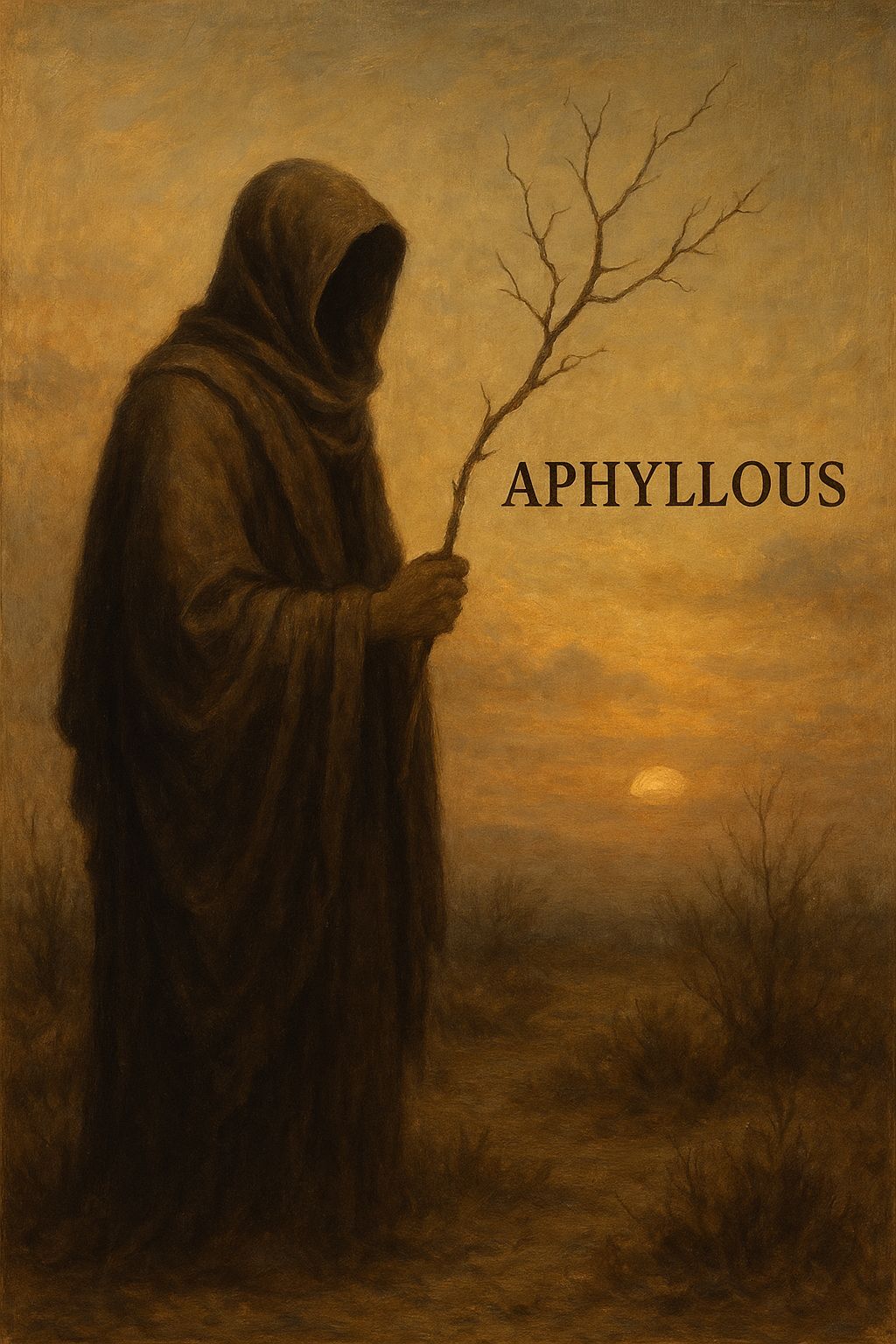
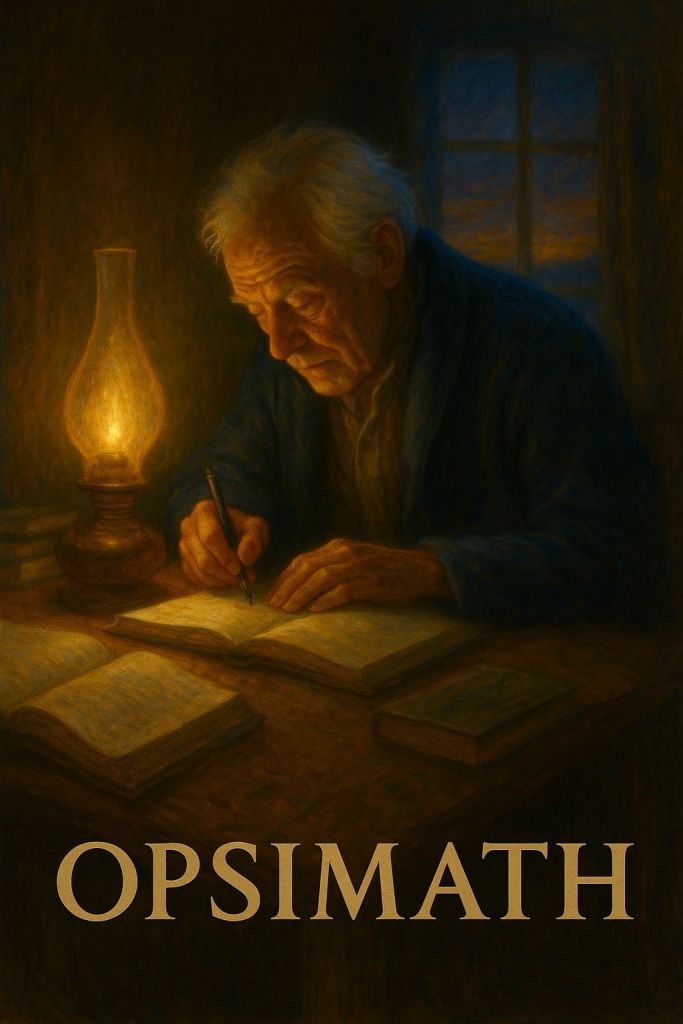
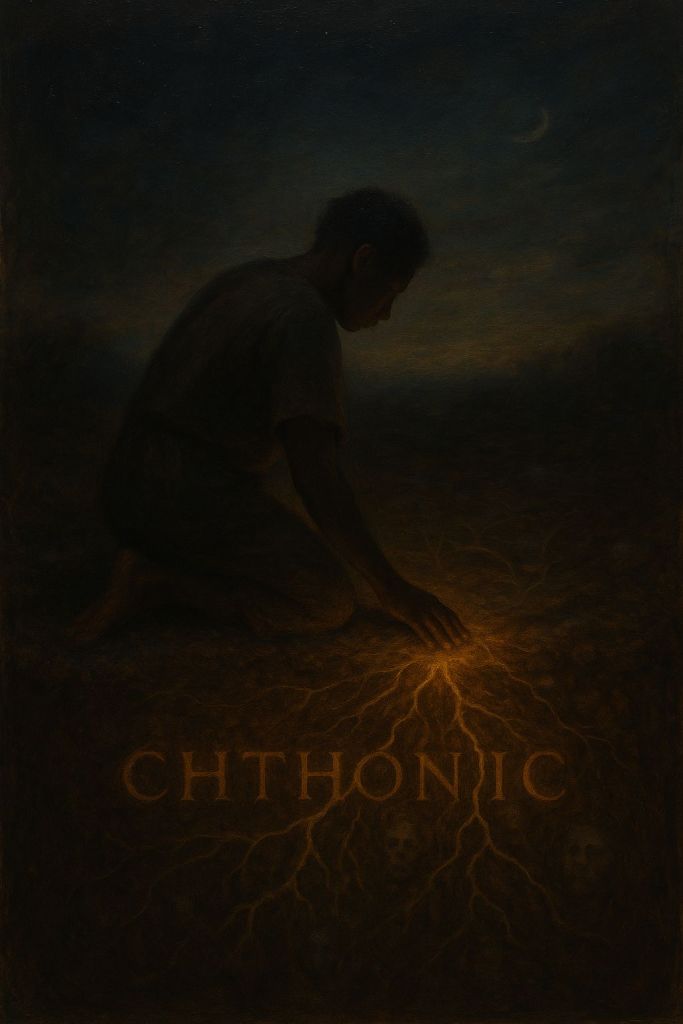
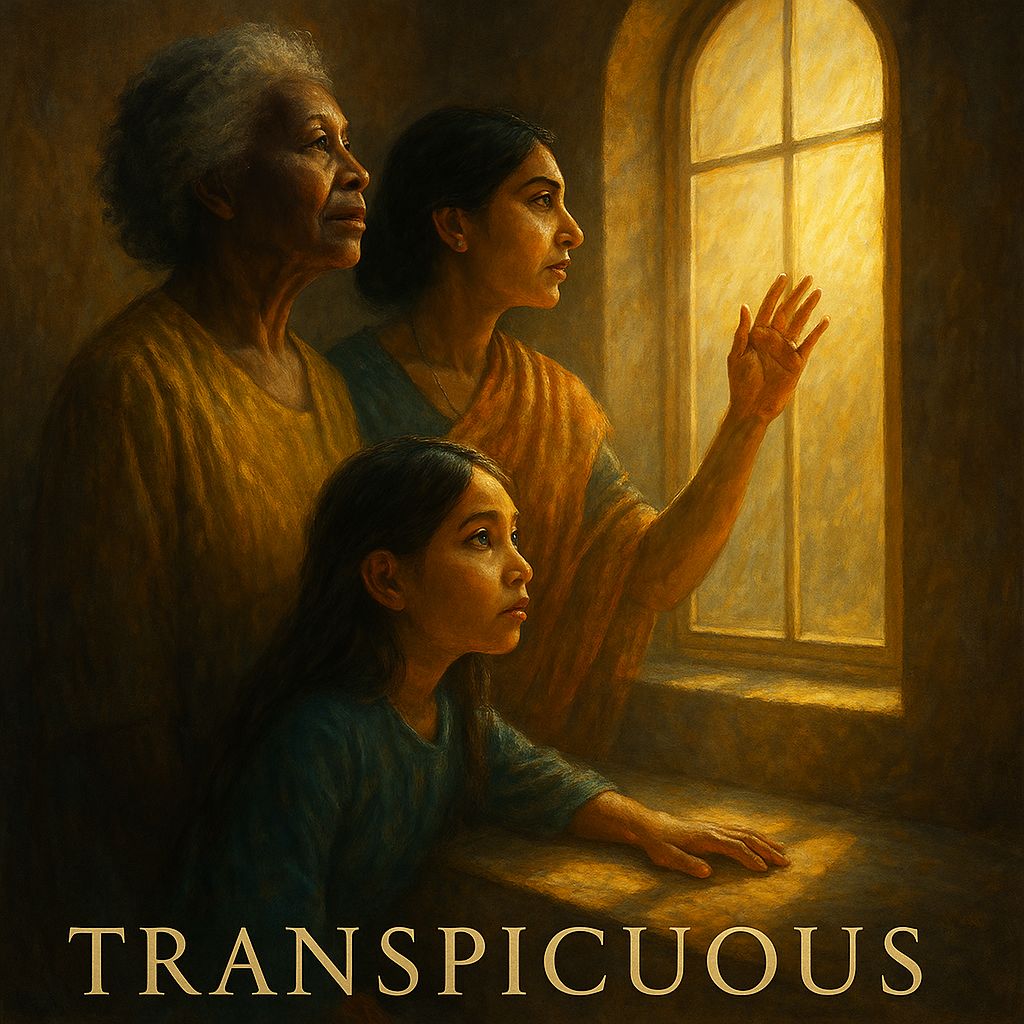
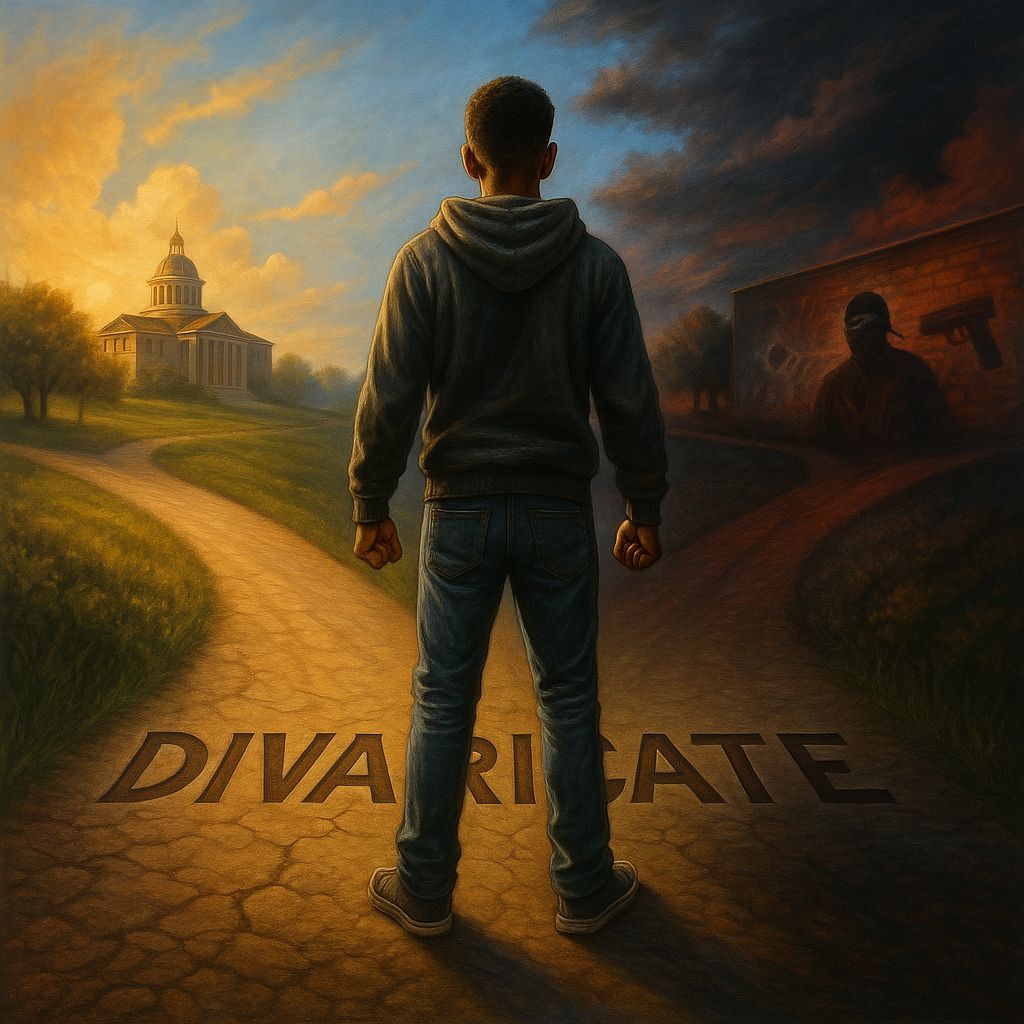



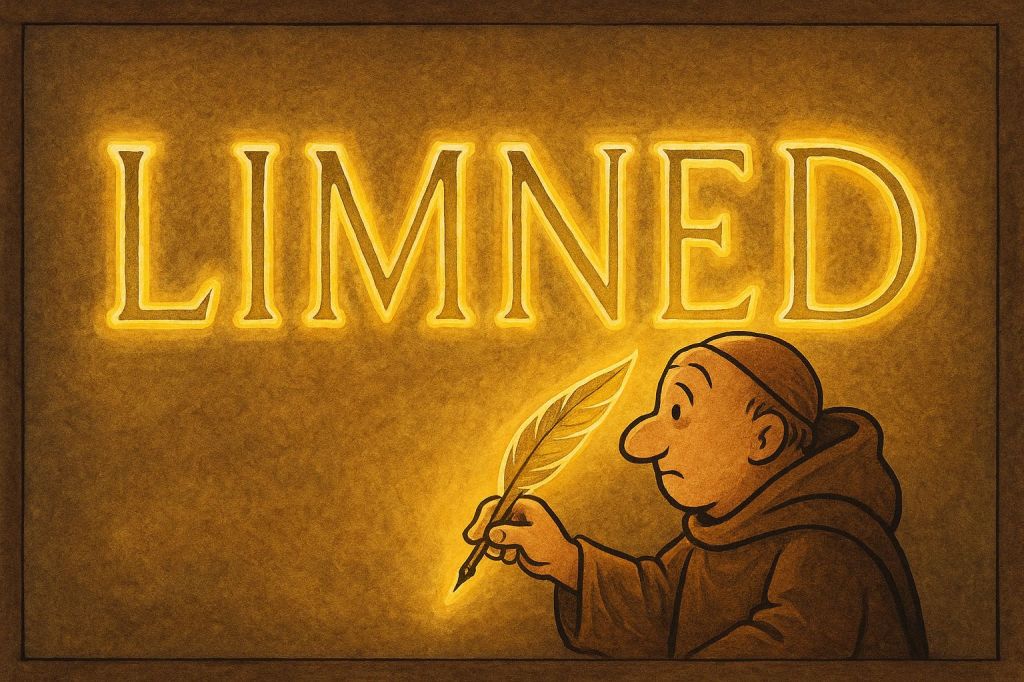
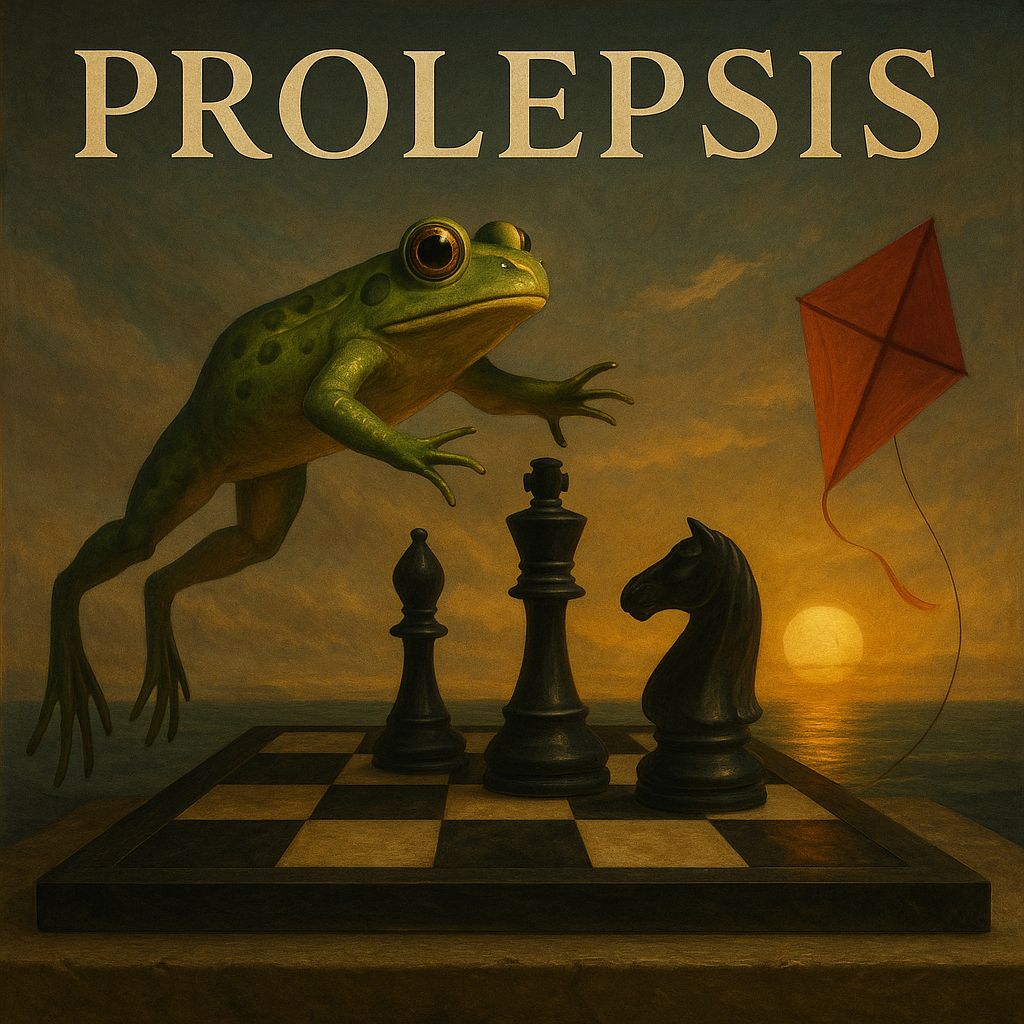
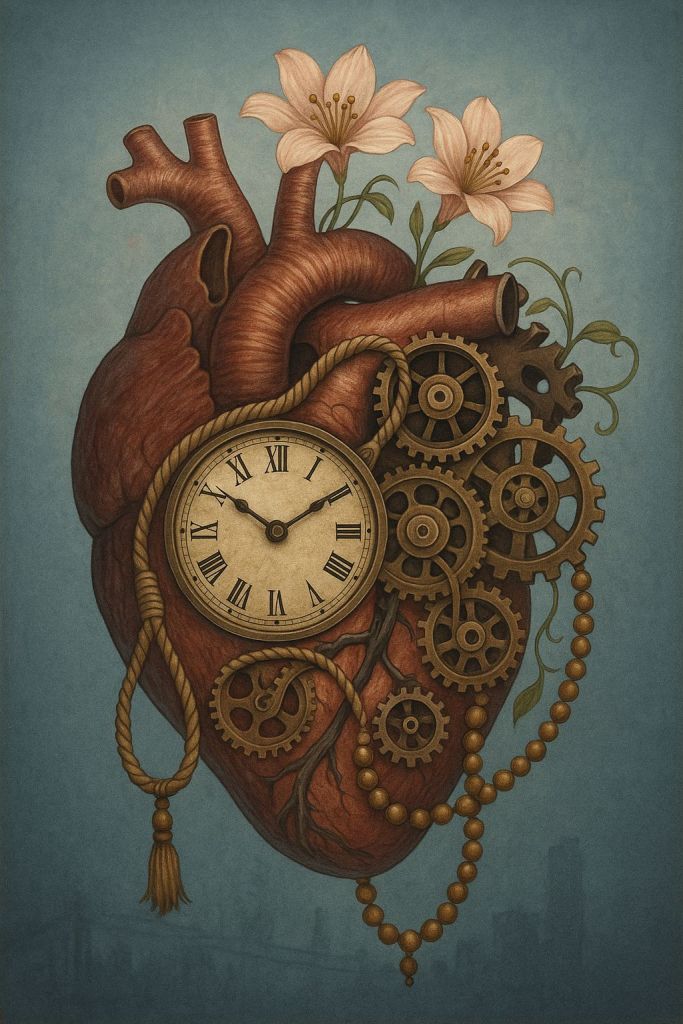


 RMS INSIGHTS ✍🏾